

























































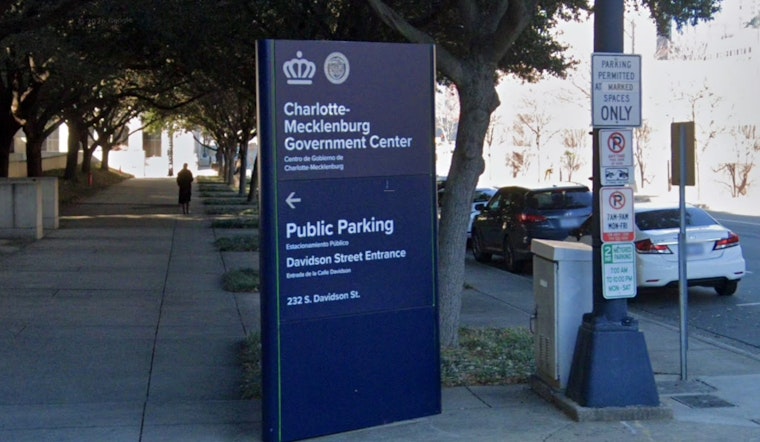
City and transit officials packed into a special transit committee session at the Charlotte‑Mecklenburg Government Center on Tuesday morning, trying to steady a system now under a federal safety microscope and a wave of concern over violence on the LYNX line. The high‑stakes meeting put local leaders directly in front of the federal audit’s findings and CATS’ own safety pitch, with riders and lawmakers calling for faster, clearer fixes after the Aug. 22, 2025 fatal stabbing of Iryna Zarutska on the Blue Line that pushed Charlotte transit safety into the national spotlight.
According to WBTV, the Metropolitan Public Transportation Authority set the special meeting for 9 a.m., listing a CATS safety and security overview along with the Federal Transit Administration’s Agency Safety Plan Audit on the agenda. The station streamed the session live and reported that commission members used the briefing to demand concrete timelines, while city and transit staff fielded questions from mayors and commissioners representing towns across Mecklenburg County.
What the federal audit found
The Federal Transit Administration’s focused audit flagged 18 areas where CATS is not meeting federal safety requirements, and it documented that assaults on transit workers climbed to five times the national average in 2025 while crimes against passengers hit roughly three times the national average. As laid out by the Federal Transit Administration, auditors concluded that CATS has not consistently followed its own safety risk assessment process and needs stronger systems to track whether fixes are actually working. The report spells out corrective actions federal officials want CATS to take to prove it is back in compliance.
What CATS says it’s doing
CATS leaders told commissioners they have already increased visible security, expanded camera coverage and deployed new technology tools, including a rider reporting feature that is supposed to speed up responses when something goes wrong. The agency’s Safety and Security page highlights an expanded contract with Professional Security Services, a planned Fare Inspection Team and investments in analytics and camera upgrades aimed at closing blind spots. The Charlotte Area Transit System’s full safety overview offers additional detail on those measures for riders who want to dig into the fine print.
Local leaders press for accountability
Elected officials at the session pushed for hard benchmarks so the public can track whether CATS is actually improving instead of simply hearing new promises. Local coverage has pointed to earlier commitments, including a large security contract and more patrols, that some riders say have not yet changed how safe they feel on buses and trains, as reported by WCCB. Commissioners pressed for named contacts, specific dates and public progress reports tied directly to the FTA’s findings.
What the FTA is demanding
FTA’s letter to CATS leaves little room for interpretation: “within 30 days of this letter, CATS must develop and submit corrective action plans to FTA that address all findings listed in the attached report,” the agency wrote, warning that failure to adequately resolve the items could trigger additional oversight or even the withholding of federal transit funds. The short clock gives local officials a tight window to convert fixes into formal plans and measurable outcomes. FTA said it will hold scheduled meetings with CATS to track progress until it is satisfied that all corrective actions are complete.
Next steps and how to follow
Commissioners said the Operations and Safety Committee will reconvene as FTA monitoring continues and urged CATS to make its progress reports public so riders can see what is actually changing on the ground. Local outlets carried Tuesday’s livestream, and the Metropolitan Transit Commission continues to post meeting schedules and materials on the city’s CATS meetings page. For the livestream and the full FTA report, see WBTV and the city’s Metropolitan Transit Commission page.





