

























































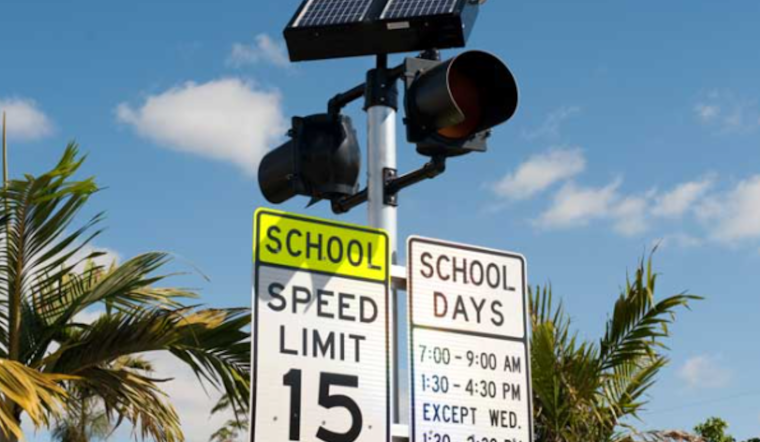
Florida lawmakers are moving to rein in how automated traffic cameras operate around schools, advancing a bill that would narrow when speed cameras can spit out tickets and ramp up oversight of school-bus stop-arm systems. The proposal would force school boards to approve bus-camera contracts in public, on-the-record meetings and would block camera systems from being used for wide-open surveillance. Backers say they are trying to keep kids safe without turning school zones into permanent panopticons as automated enforcement spreads across the state.
As reported by ClickOrlando, Senate Bill 654 focuses on school-zone speed detection and stop-arm cameras on buses, spelling out that speed systems should only be active when a school-zone speed limit is actually in effect. The WKMG coverage notes lawmakers are looking for a middle ground between child safety and mounting concerns over privacy, transparency, and accountability as camera ticketing becomes more common across Florida.
What SB 654 would change
According to the bill text on the Florida Senate website, SB 654 would restrict school-zone speed cameras to the times when the reduced speed limit applies, require flashing beacons to be on when enforcement is active, and bar traffic-infraction detectors from being used as tools for remote surveillance. It would also require school districts to hold a public hearing and get a specific school-board vote before installing or contracting for school-bus infraction detection systems, prohibit vendor payments that rise and fall with the number of violations, and mandate annual public reports and clear data-retention rules. To address privacy concerns, the legislation directs agencies to obscure certain personal identifying information in images and to destroy recordings within defined timeframes.
Supporters and critics
Supporters argue the bill sets firmer guardrails so cameras stay trained on student safety instead of drifting into general surveillance or quiet cash machines, a rationale outlined by ClickOrlando. Critics, along with some local law-enforcement officials, counter that the programs already in place have led to confusing rules and uneven signage. Osceola County, for instance, put camera enforcement on hold last fall while officials tried to sort out where the devices could legally go and how they should be marked. Those headaches have fueled calls for consistent statewide standards and stronger public notice before more cameras go up, according to reporting from MyNews13.
Local rollout and enforcement
School-zone and bus stop-arm cameras have been popping up across Florida since 2024, and some communities are already seeing a flood of violation notices tied to the new gear. Miami-Dade officials say their cameras enforce school-zone speed limits throughout the full school day and have generated thousands of citations, while the county details how fine revenue is channeled into school-safety programs. CBS Miami reported on the early rollout and the frustration bubbling up among drivers. Tampa, meanwhile, has launched its own school-zone speed-camera effort on high-risk corridors, underscoring the patchwork of local approaches that SB 654 is attempting to straighten out; Tampa.gov outlines the details of that program.
What’s next
SB 654 landed on the Senate special-order calendar in early March and, if it clears the Legislature, is slated to take effect October 1, according to the Florida Senate tracker. The bill also directs the Department of Highway Safety and Motor Vehicles to publish standardized reports from counties and school districts and spells out administrative hearing procedures and data-handling rules that local governments will have to follow as camera programs continue to grow.





