

























































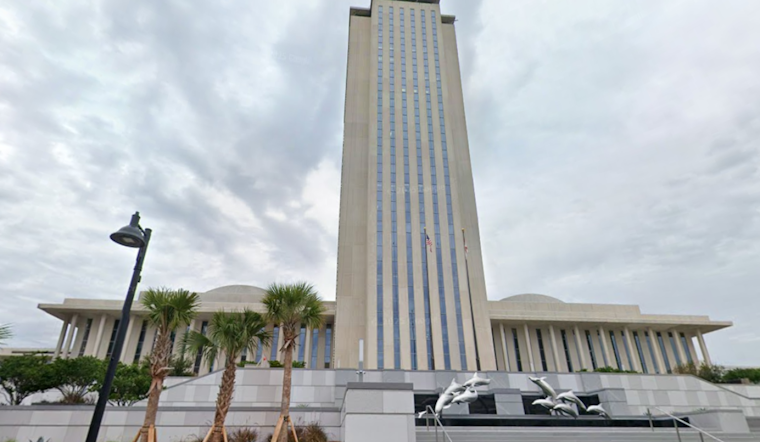
The Florida House has signed off on a Republican-backed plan to tighten the rules around campaign activity at public colleges and universities, passing CS/HB 725 on March 4 by a vote of 81–30. Supporters say the bill will finally spell out what is and is not allowed on campus. Democrats and faculty groups say it is a recipe for chilled speech and fewer student voters.
The proposal would require every public college and university to clearly explain the Campus Free Expression Act to students and employees, both at orientation and on official websites. Boards of trustees would also have to publish detailed guidance at least one month before each primary election, laying out which political activities are permitted and which are prohibited. The measure tasks the Board of Governors and the State Board of Education with crafting the regulations and rules that describe limits on campaign-related activity, with an effective date of July 1, according to the Florida Senate.
How It Would Work On Campus
Backers of the bill say it is about fairness, not censorship. The measure would bar partisan use of institutional email and property for campaign activity, require equal access for candidate forums, and ask third-party voter-registration groups to provide documentation and secure prior approval before holding events. The plan also includes limits on candidate appearances and institutional communications tied to campaigns, as described in reporting on the proposal, according to WUWF.
Supporters argue that by spelling all of this out in advance, students, faculty, and outside groups will finally know the rules of the road. Critics hear something else: a warning siren.
Critics Warn Of A Chilling Effect
Democrats, faculty unions, and voting-rights advocates say the bill’s language is vague enough that risk-averse administrators will simply steer clear of political activity altogether. That, they argue, could mean fewer voter-registration drives, fewer candidate visits, and less robust debate on campuses that are supposed to thrive on exactly that.
“HB 725/SB 1736 creates a permission-based system that will deter voter outreach and weaken First Amendment protections,” Rep. Anna Eskamani told WUWF.
The bill’s sponsor, Rep. Peggy Gossett-Seidman, has pushed back hard on that narrative, insisting the goal is to educate students about their rights while keeping university resources from tilting the political playing field. “To alter it and make it seem like we’re prohibiting speech and assembly is completely the opposite of this,” she stated, as detailed by Yahoo News.
Vote And Next Steps
With the 81–30 House vote in the books yesterday, the measure has been transmitted to the Senate and referred to the Rules Committee. A companion bill in the upper chamber, SB 1736, has been filed but has not yet received a committee hearing, according to the Legislature’s bill tracker.
If the Senate takes up and passes the measure, university trustees and the relevant state boards would be on the clock to adopt the required policies and notices so they are in place ahead of the 2026 effective date.
Legal Questions
Legal advocates are already eyeing potential court fights. They warn that the bill’s disciplinary provisions and its broad “equitable access” language could trigger challenges over viewpoint discrimination or overly sweeping restrictions on speech.
The measure also brushes up against existing federal rules for tax-exempt organizations. Federal law bars 501(c)(3) entities from participating in political campaign activity, and the IRS warns that charities that cross the line risk losing their tax-exempt status. That is a complication university foundations and affiliated nonprofits would have to navigate if the bill becomes law.





