

























































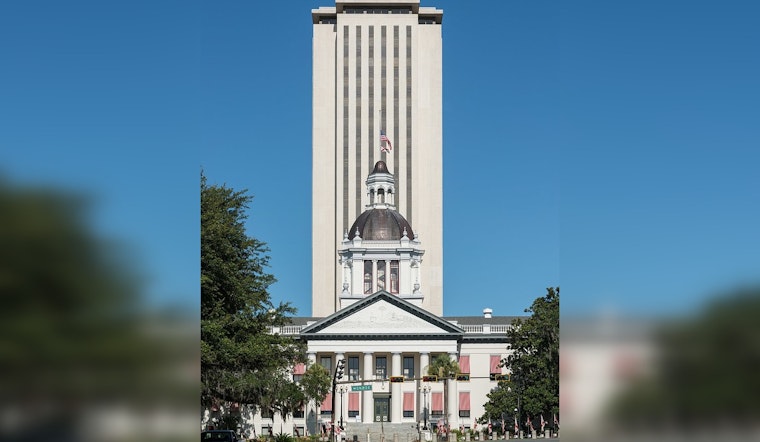
Florida lawmakers are moving a bill that would shield public employees and some state-funded contractors who refuse to use coworkers’ preferred pronouns, a shift legal experts say could drop employers squarely between competing state and federal rules. If it becomes law, the proposal would add explicit protections for workers who decline to use pronouns that do not match a colleague’s sex and set the stage for fresh legal battles over which rules actually control.
CS/HB 641, filed in the House as the Freedom of Conscience in the Workplace Act, would bar public employers and covered contractors from requiring staff to use preferred pronouns that do not correspond to a person’s sex, limit employment forms to just “male” or “female,” and prohibit state-funded employers from mandating training on sexual orientation or gender identity, according to the Florida House. The bill would also create administrative and civil remedies under the Florida Civil Rights Act and currently lists an effective date of July 1, 2026.
Federal Law Still Looms Large
The measure sits awkwardly beside the Supreme Court’s 2020 ruling in Supreme Court, which held that Title VII’s ban on sex discrimination covers sexual orientation and gender identity. At the same time, the Equal Employment Opportunity Commission voted in January 2026 to rescind its 2024 harassment guidance that had flagged repeated misgendering and pronoun refusal as examples of conduct that could amount to actionable harassment, adding to employer confusion, according to the EEOC.
Employment lawyers say that disconnect could create a legal “double bind” for employers: an employee disciplined for misgendering a coworker might invoke new state protections, while the targeted worker could sue under federal law. Kelly Kolb, a shareholder in Buchanan Ingersoll & Rooney’s labor and employment practice, told HR Dive that “The best I can recommend is to try to work it out between these two people.” Debra Leder, a partner at Akerman, advised HR teams to revisit policies, keep a close eye on court developments and maintain a respectful, professional environment.
Lawmakers have pointed to one high-profile firing as a catalyst: sponsors told a committee they were responding to the termination of John Labriola, a former Miami-Dade media aide, according to CBS Miami. The Eleventh Circuit later affirmed summary judgment for Miami-Dade County in the case, Justia reports, a ruling attorneys on both sides now cite when arguing over how far discipline or training can go.
What Employers Should Do Now
Legal observers urge caution: rescinding EEOC guidance does not wipe away the Bostock precedent, and the risk of harassment claims tied to repeated misgendering remains, so updating anti-harassment policies and documenting responses still matters. Employment-law analysis notes that while the EEOC’s move narrows official agency guidance, it “does not dramatically alter federal anti-harassment law,” and companies should continue to treat harassment complaints seriously as they adjust trainings and complaint processes, according to Littler.
For HR teams across Florida, the to-do list is straightforward if not simple: review written policies, run scenario-based manager training, and build clear complaint and remediation workflows that can withstand competing legal claims. With HB 641 moving through committees and federal precedent still binding, employers are likely to see test cases that force courts to choose between state conscience protections and federal anti-discrimination law.





