

























































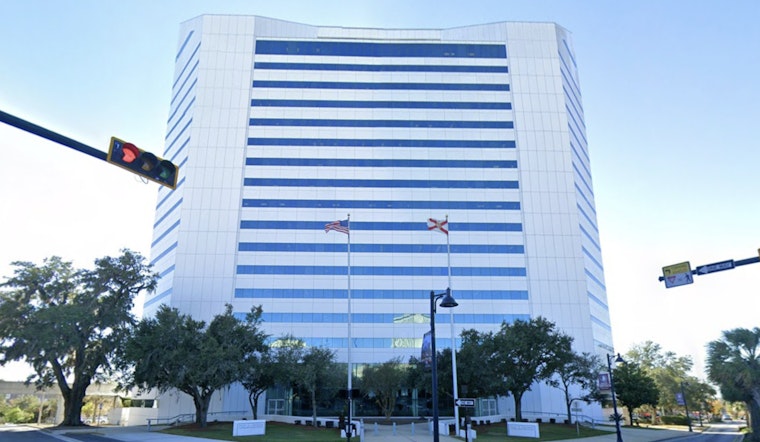
Florida’s public universities have officially entered the NIL survival era, and state leaders are not pretending otherwise. On Monday, the State University System’s Board of Governors launched a new task force to figure out how campuses will handle name, image and likeness deals and a looming revenue‑sharing world that is already reshaping college sports. Trustees say the group’s work will touch budgets, recruiting and compliance as schools rush to finalize plans under a landmark legal settlement. At the same time, the Board signed off on short‑term financial moves meant to keep athletic departments afloat while the task force writes the actual playbook.
As reported by the Miami Herald, the Board of Governors created the panel and held its first meeting Monday, tapping Ken Jones to lead it. According to the paper, the group’s mandate extends from contract oversight and financial counseling to figuring out how campuses can protect Olympic and other nonrevenue sports as the money starts moving in new ways.
What the task force will do
State officials say the panel will craft policy guidance so campus rules line up with the new federal framework, establish standards for reviewing NIL and revenue‑sharing contracts, and require financial‑education support for student‑athletes. Public reporting and university documents indicate that leaders want guardrails in place before regular payouts begin, including clearinghouse vetting and mandatory workshops, according to WUSF. The group will also study how expanded institutional payments can comply with Title IX and avoid unintended damage to smaller sports programs.
Short‑term money: the $22.5 million bridge
In June, the Board approved an emergency amendment that lets each public university transfer or borrow up to $22.5 million per year from unreserved auxiliary funds such as parking, housing and bookstores for athletics, through the fiscal year ending June 30, 2028. The Board of Governors meeting minutes detail the three‑year window and require schools to submit multi‑year athletic budgets along with detailed reports to the chancellor. Trustees cast the move as a temporary “bridge” meant to prevent immediate recruiting and retention problems while longer‑term policy is hammered out.
Where the settlement fits in
The task force’s work follows Judge Claudia Wilken’s final approval of the House v. NCAA settlement last June, which opened the door for schools to pay athletes directly, created a clearinghouse to vet deals and set an initial cap on institutional revenue sharing. ESPN and other outlets report that the settlement includes billions of dollars in backpay and a roughly $20.5 million starting cap for annual direct payments from schools to athletes. That legal shift is the immediate trigger for the board’s funding scramble and its rush to build a new policy framework.
Campus reactions and concerns
Trustees and athletic leaders were hardly unanimous at the task force’s opening session. “Enforcement will determine whether any system works,” Florida State Board of Trustees Chair Peter Collins told the Miami Herald. Florida athletic directors, including Brian White of FAU and Scott Carr of FIU, urged Congress to look at a limited antitrust exemption, arguing that a patchwork of rules could leave schools exposed. Jones cautioned that “Florida cannot afford to wait for Washington” and estimated that the state‑tied NIL marketplace could reach between $3 billion and $5 billion annually.
Legal considerations
Legal analysts note that the settlement has already drawn appeals, and that any revenue‑sharing structure will have to be built with serious Title IX concerns in mind. In June, objectors filed an appeal claiming the payout formula favors football and men’s basketball by a wide margin, a development tracked by the College Sports Litigation Tracker. That ongoing litigation means the task force will have to thread a narrow needle among competitive balance, federal civil‑rights law and the mechanics of a Deloitte‑run clearinghouse charged with reviewing large transactions.
What’s next
Task force members are expected to keep meeting through the spring and summer, then deliver recommendations to the Board of Governors that will shape athletic budgets and compliance rules for the 2026–27 academic year. Universities that tap auxiliary funds under the bridge plan must file detailed plans and periodic updates with the chancellor, in line with Board of Governors materials. The next few months will show whether a mix of temporary funding and new oversight can steady Florida’s college sports programs without triggering more lawsuits or forcing cuts to Olympic sports.





