

























































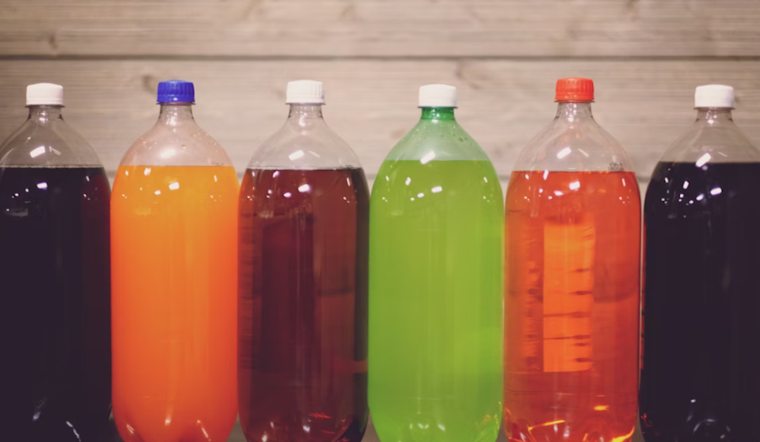
Florida is about to tighten the rules on what families can toss into their carts with SNAP benefits. Beginning April 20, recipients will no longer be able to use their EBT cards to buy soda, energy drinks, candy, or ultra-processed prepared desserts anywhere in the state. The federal government signed off on the move as a two-year demonstration, and state officials say they will track and report how the new limits affect food purchases and overall diet quality.
What's On The No-Buy List
According to the Florida Department of Children and Families, the exclusions cover regular and diet soda, energy drinks, candy, and shelf-stable, ultra-processed prepared desserts. The agency provides product examples and step-by-step guidance so recipients can see what still qualifies and what will get flagged at the register. Local coverage has walked shoppers through the rollout and noted that the state shifted the start date to April 20, as reported by ClickOrlando.
How It Will Work At Checkout
Under the federal waivers, retailers must mark prohibited products at the UPC level so that if a customer tries to buy them with SNAP, the EBT portion of the transaction is automatically declined at checkout. USDA guidance gives stores a 90-day window to bring their systems into compliance before tougher enforcement kicks in. Industry groups warn that re-coding thousands of UPCs will be technically challenging and expensive, with the potential to slow down checkouts and complicate online order fulfillment. Trade associations are pushing for clearer UPC lists and federal help for retailers, according to Grocery Dive.
Retailers Face Deadlines And Training
Florida's Healthy SNAP guidance tells authorized retailers to update their point-of-sale systems and any third-party e-commerce platforms, review a training presentation, and complete a required attestation by March 20 so they are ready before the April 20 launch. The state also says it will roll out in-store flyers and other customer communications so shoppers can spot ineligible items more easily and, ideally, avoid awkward moments at the register. The retailer toolkit outlines the operational details and compliance steps for participating stores.
Who’s Covered And What’s Not
The USDA approval makes the demonstration statewide, so households are not allowed to opt out, and the project is scheduled to run from April 20 through April 19, 2028, with an adjusted quarterly reporting schedule. The waiver defines “energy drinks” as beverages with at least 65 milligrams of caffeine per eight fluid ounces. It also creates carve-outs for drinks that are more than 50% fruit or vegetable juice by volume or that contain less than five grams of added sugar per serving. These parameters and the revised start date are laid out by the USDA Food and Nutrition Service.
Critics Say The Move Could Backfire
Anti-hunger advocates and service providers argue the bans risk punishing people who rely on SNAP and could increase stigma when certain items are denied at checkout. The Food Research & Action Center has called the approvals a serious misstep that will have serious consequences. Public-health experts and retailers have also questioned whether limiting purchases in this way will meaningfully improve diet quality, while trade groups say the price tag for implementation will fall on stores. For more, see statements from the Food Research & Action Center and national reporting by the Associated Press.
What Happens Next
The USDA modification letter requires Florida to submit periodic evaluation reports on an adjusted schedule, and the agency says it will review those findings to gauge impacts on participants, retailers, and overall program operations. Federal documents also direct the state to get the word out to SNAP households and retailers before the changes take effect. Officials say they will watch whether shoppers’ buying patterns shift over the two-year demonstration, according to the USDA Food and Nutrition Service.





