

























































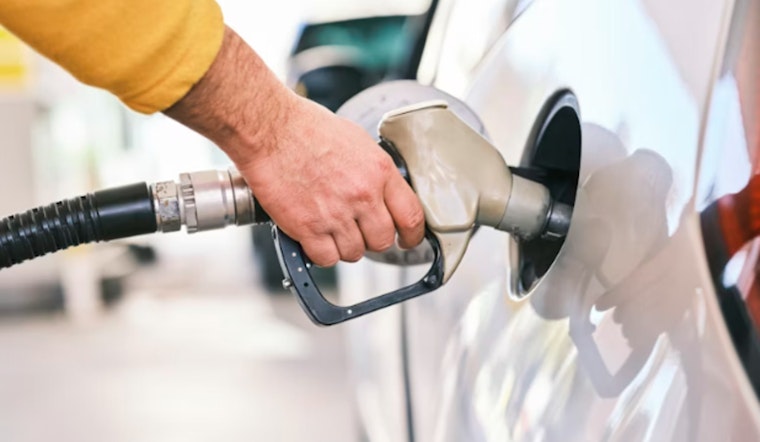
In Snohomish County, every jump at the pump is putting pressure on the rides and meal deliveries that keep older and disabled residents connected to medical care, groceries and basic community support. Homage Senior Services says it is swallowing higher fuel bills even as requests for help keep climbing, and local leaders warn that if the trend holds, some clients could lose access to essential trips.
Homage's lifeline routes feeling the squeeze
Homage runs a Transportation Assistance Program (TAP) for older adults and people with disabilities across Island, King and Snohomish counties and describes itself as the largest provider of services for older adults in Snohomish County, reaching more than 25,000 people a year. The TAP logged about 337,000 miles last year and faced roughly $120,000 in fuel expenses, according to KING 5, and Homage says fuel costs are up about 7% this year. Homage leaders say the current price run could add at least $8,400 to the program's tab if rates stay where they are.
Staff say demand and costs are colliding
"We run on gas and the human spirit," Homage's Leah Hammon said, a line the agency uses to describe how drivers and vans power everything from Meals on Wheels to medical rides. The nonprofit told KING 5 it has been fielding up to 90 additional requests for help each month, and program manager Lloyd White warned that "if trips are cut people could not get to medical appointments or stores." For now, Homage says it is absorbing the extra costs while looking for ways to squeeze out more fuel efficiency.
Statewide pump spikes make the math worse
Gasoline prices across Washington have climbed into the mid-$4 range, according to AAA's state price data, a jump that tightens the vise on nonprofit fleets and volunteer drivers. KIRO 7 reports that GasBuddy analysts expect prices to rise another $0.15 to $0.30 per gallon in the coming weeks, a move that would quickly tack thousands of dollars onto a small agency's monthly fuel bill. Regional refinery issues and global supply concerns are feeding short-term volatility that local operators say they did not plan for in their budgets.
Grants help but do not erase sudden shocks
State Consolidated Grants and Rural Mobility funds have been a lifeline for rural transit, and WSDOT's Public Transportation Mobility Report lists Homage among grantees for TAP and related projects. But that report focuses on capital and program investments rather than surprise operating costs, and advocates say sudden fuel spikes can still overwhelm day-to-day budgets. County and state officials are watching to see whether short-term assistance or emergency funding will be needed if prices stay elevated. WSDOT's mobility report lays out the broader grant picture.
In the near term, the key questions are whether pump prices cool off and whether state or local leaders move to shore up emergency operating funds for nonprofit transit providers. For seniors and people with disabilities who rely on door-to-door service, even a small cut in trips can mean missed care or a serious hit to their independence.




