

























































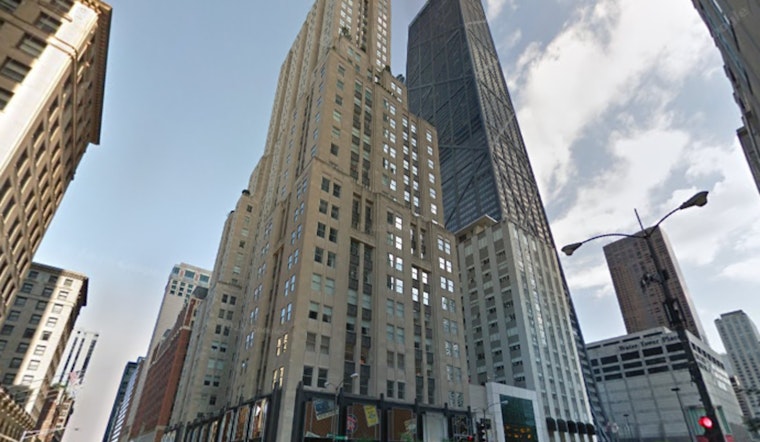
A full-floor condo in the storied Palmolive Building on the Magnificent Mile has just sold for less than it did nearly two decades ago, a gut-check moment for Chicago's supposedly bulletproof luxury condo scene. Even one of the city’s most recognizable addresses is feeling the chill that has crept across downtown’s high-end market.
The 31st-floor unit formerly owned by Harris Associates deputy chair David Herro went under contract in early January for just under $6 million. At that level, it would mark a loss from the $6.75 million Herro paid in December 2013, according to The Real Deal. Listing and public-record data show the 5,500-square-foot condo carries about $9,230 in monthly association fees and had a 2024 property tax bill of nearly $67,000, costs that brokers say are a tough pill for would-be buyers of the building to swallow.
Earlier in the year, a separate full-floor residence on the 23rd floor closed at $5.15 million, below the roughly $5.8 million it commanded in 2006, as reported by Crain's Chicago Business. That deal, along with other trades at the Palmolive, highlights a reality many luxury sellers would rather ignore: some are choosing to lock in losses rather than sit on the market and hope for a turnaround.
Why High-End Condos Are Taking Hits
Brokers point to a cocktail of rising assessments, steep HOA bills, and a lack of flashy, modern amenity packages as reasons high-end buyers are now more cautious. Those pressures are especially pronounced in older landmark conversions, The Real Deal reports. "Sellers are definitely taking it on the chin, but at least if they’re willing to take it on the chin, there are buyers," Compass agent Jeff Lowe told the outlet.
What Buyers And Sellers Should Know
The Palmolive Building is a 37-story Art Deco landmark with retail along Michigan Avenue and a residential entrance at 159 East Walton Place. The skyscraper dates to 1929, according to its landmark entry. For anyone watching the downtown market, the latest Palmolive trades suggest that price discipline is snapping back into place at the top end of the market, and that even patient sellers could be staring down deep write-downs if they hold out for a broader rebound that has yet to arrive.


