

























































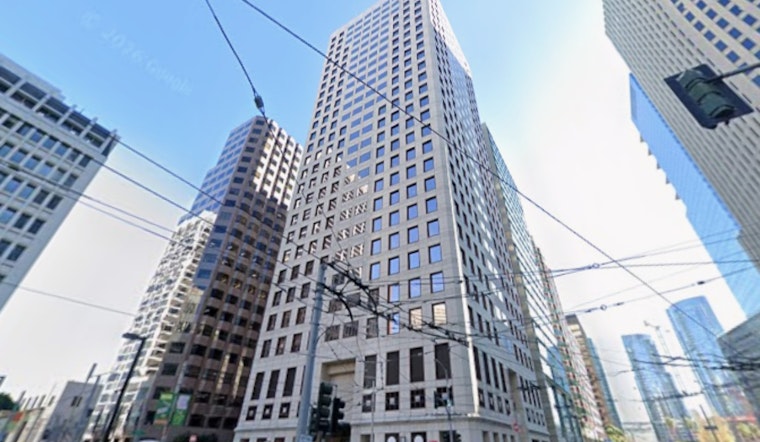
Downtown San Francisco’s office slump just handed Juul Labs a stinging markdown. The 29-story tower at 123 Mission St., which the e-cigarette company snapped up in 2019 for roughly $400 million, now carries a debt price that implies a valuation of only about $100 million. Investors led by Madison Capital and PGIM have bought the debt and are now in a position to potentially take control of the mostly vacant high-rise.
Debt sale slashes valuation
As reported by the San Francisco Chronicle, the debt tied to 123 Mission sold for under $100 million, or less than $300 per square foot, to Madison Capital and the investment arm of Prudential Financial, PGIM. That pricing suggests the tower now sits at roughly a quarter of the per square foot value that Juul paid at the top of the market in 2019.
Buyers call it a blank canvas
Madison’s head of acquisitions, Jonathan Nachmani, told the San Francisco Chronicle that the firm acquired the debt in the “low $90 million” range and is eyeing “hospitality-driven” upgrades. He described 123 Mission as a “blank canvas opportunity” and confirmed that the building is largely sitting empty, which gives the new investors plenty of room to get creative, if they can make the numbers work.
From Juul’s big bet to a steep markdown
Juul bought the roughly 360,000 square foot, 29-story tower in 2019 for about $397 to $400 million, and its effort to unload the property stalled as the downtown market deteriorated, according to The Real Deal. Public records and prior reporting show the acquisition was backed by a roughly $220 million loan from Affinius (formerly Square Mile), and multiple attempts to sell or lease the building over the last five years fell apart amid plunging demand for traditional office space.
What’s next for 123 Mission and downtown
The shift toward special-situation investors and talk of hospitality-focused renovations fit into a broader scramble to repurpose underused office buildings across San Francisco. Industry coverage has tracked persistently high downtown vacancy rates and the repeated relisting of 123 Mission. Connect CRE documented earlier relists and market data showing elevated vacancy levels in the city’s core.
Madison and PGIM now face a short menu of tough choices: negotiate a deed in lieu, as Nachmani suggested, or push through foreclosure or another legal route to take formal ownership. However it plays out, the fate of 123 Mission will signal whether this corner of downtown can be reinvented with hotels or mixed uses, or whether the tower stays a case study in the city’s post pandemic office hangover.





