

























































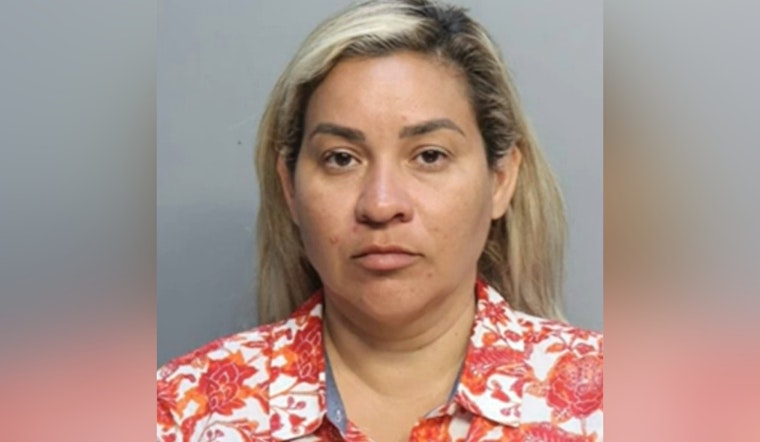
A Miami-Dade judge signaled Wednesday that prosecutors' sprawling campaign finance case against former Sweetwater commissioner and 2022 county-commission candidate Sophia Lacayo may be headed for a serious downsizing, potentially leaving her facing only a small cluster of felony counts instead of a lengthy list. The comments came during a hearing before Circuit Judge Miguel De La O as lawyers sparred over how many separate offenses state law actually lets prosecutors charge for the same campaign conduct.
As reported by the Miami Herald, De La O told attorneys he believed prosecutors were likely limited to two felony counts and suggested the broad indictment could be pared back. Court filings reviewed by the paper also indicate Lacayo has struck a plea deal in the state case, and the Herald reports she is scheduled to be sentenced in federal court on April 9, 2026, on a wire-fraud charge tied to an alleged Paycheck Protection Program loan.
Lacayo was first arrested in 2023 after a public-corruption task force raised red flags about her campaign filings. Her detention and booking at Miami International Airport were reported at the time by NBC 6. The state case accuses her of a series of campaign finance violations connected to her 2022 challenge of Doral Mayor Juan Carlos "J.C." Bermudez.
Prosecutors say the indictment includes counts for making and receiving contributions in another person’s name and falsifying reports, with the total reaching 21 counts, according to Florida Politics. Campaign filings and reporting reviewed by local outlets show Lacayo had roughly a $1.8 million war chest for the 2022 race, and investigators allege she moved more than $450,000 from a business account into personal and campaign accounts during that cycle.
Legal Fight Centers On Double-Jeopardy Claims
At the hearing, Lacayo’s lawyer, Susy Ribero-Ayala, argued that the prosecutors’ charging decision violates the double-jeopardy clause, saying the state is essentially slicing the same conduct into too many separate crimes. Prosecutors William Gonzalez and Tim Vandergiesen countered that the statute can reach both making and accepting excessive or improper contributions. Those competing interpretations appear in court filings and were laid out in coverage by the Miami Herald.
What’s Next
With De La O signaling possible limits on how many discrete felonies the state may pursue, prosecutors now have to decide whether to keep pushing the broader indictment or trim the case down to the counts the judge has indicated he is inclined to allow. Legal observers and local reporting note that the choice could shift how aggressively campaign finance laws are enforced in high-spending local races, where heavy self-funding raises both political and legal questions. CBS Miami has tracked Lacayo’s prior legal troubles and the fallout from the 2022 election.
Whatever De La O ultimately rules, the case highlights the narrow line prosecutors walk in campaign finance enforcement: aggressive charging can send a message, but courts may insist on a tighter reading of the statute that leaves only a few provable counts on the table. South Florida political watchers say the decision could echo through future county contests, where big money - and the inevitable questions about where it comes from - are never far from the ballot.





