

























































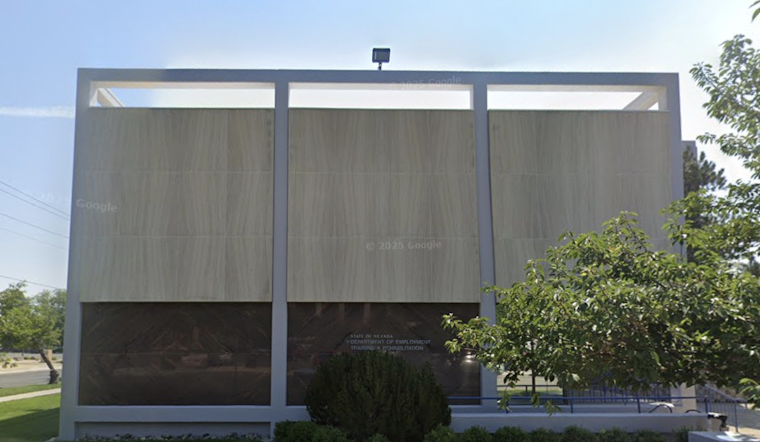
Nevada’s unemployment agency is turning to Google-run artificial intelligence to help crank through a stubborn backlog of benefits appeals, promising decisions in minutes instead of hours while insisting a human reviewer will still have the final say. State officials frame the move as a way to speed up payments to people who qualify, but lawmakers and labor leaders are already asking whether the rush for efficiency will come at the expense of consent, fairness and real oversight.
DETR has been testing the system since summer 2024 and signed a contract in August 2024. The project carries a $2.6 million price tag, and the agency says roughly $1.1 million has been spent so far, according to The Nevada Independent. The contract requires the tool to hit a 90 percent success threshold in reviewers’ assessments, and the state says the platform will keep data inside the continental United States while Nevada retains control of the encryption keys.
How the system will be used
The state plans to fine-tune Google’s Vertex AI Studio so it can analyze hearing transcripts and evidentiary documents, then generate a recommended determination. Officials say the tool can spit out a draft ruling in roughly five minutes, compared with the hours a traditional review often takes, as reported by Gizmodo. Technology experts warn that generative models can still “hallucinate” or surface biased results unless they are tightly governed, and scholars have cautioned that AI-assisted rulings could create legal tangles that are difficult to unwind in court, as Ars Technica has documented.
Lawmakers and unions push back
Some state lawmakers argue Nevadans have been left out of the conversation. “When you start to contract with an AI company, where does the Nevada citizen fit inside of that relationship?” Sen. Dina Neal asked, calling it “backwards” that claimants are not required to consent to AI review. Sen. Skip Daly has also questioned putting too much faith in automated decision-making, and AFSCME Local 4041 said AI “should never be used to replace public service workers’ judgment,” according to The Nevada Independent.
What comes next
Agency officials say training and fine-tuning the model on past appeals took longer than expected, and they stress that human reviewers will still have to sign off on any AI-generated recommendations, as reported by Gizmodo. The state’s draft policy on the responsible and ethical use of AI sets baseline guardrails for executive-branch projects, and the Governor’s Technology Office convened a state AI roundtable last year to coordinate oversight efforts. According to official guidance, Nevada State IT lays out specific requirements agencies must meet before deploying AI in public services.




