

























































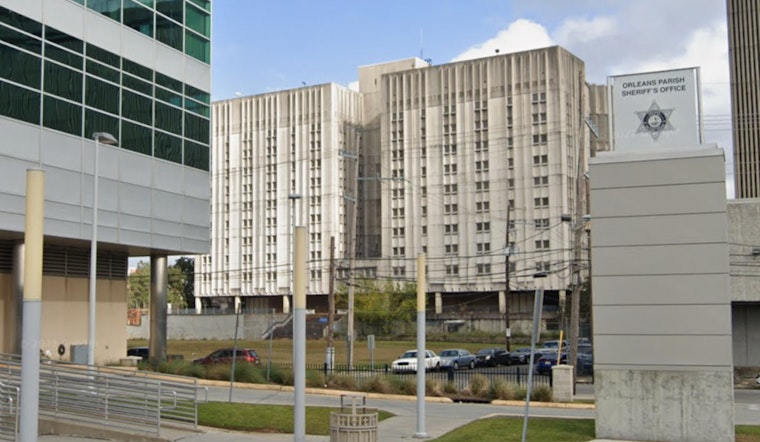
The New Orleans City Council on Friday signed off on a new spending transparency rule that will pull the Orleans Parish Sheriff’s Office and other criminal-justice agencies into the city’s Budget, Requisition and Accounting Services system, better known at City Hall as BRASS. The move requires agencies that receive city money to log purchase orders, invoices and contract details into the public-facing finance system on a set schedule, with council members pitching it as a way for budget staff and residents to see, in one place, how taxpayer dollars are being spent.
Council President JP Morrell and the ordinance’s sponsors described the measure as a long-overdue accountability step, while also conceding that their power over an independently elected sheriff only goes so far. "Due to constitutional provisions, we cannot necessarily dictate what the spending is, but we'd like to know what it is so that we can budget for it as necessary," Morrell said, as reported by NOLA.com. The ordinance had been deferred several times while the council sought legal guidance, including outreach to the state attorney general’s office, before finally coming up for a vote.
What the Ordinance Requires
City records show the sheriff’s office must start entering expenses into BRASS by June 1, 2027. The office then has 90 days to show a good-faith effort at implementation and to file progress reports. Other criminal-justice entities that receive city funding, including Municipal and Traffic Court, the Orleans Parish Communications District, the District Attorney’s Office, Criminal District Court, the Coroner’s Office, Juvenile Court and the Public Defender, were given up to three years to come online. The ordinance also requires agencies to make purchase orders, invoices and contract information available through the system, according to the City Council minutes.
Why the Council Pushed the Change
The push comes after heightened scrutiny of Orleans Parish Sheriff’s Office operations, triggered by a high-profile escape of 10 inmates that renewed questions about jail maintenance, staffing and how OPSO spends its funds. Reporting at the time detailed claims by Sheriff Susan Hutson that faulty locks and plumbing failures contributed to the incident and that her office needed extra money for repairs, points that helped fuel calls for centralized oversight, according to reporting by the Associated Press. The city’s Office of Inspector General has also urged adoption of BRASS for agencies receiving major city dollars, saying the system would improve transparency and make oversight easier, per the OIG’s public letter.
Officials Respond
Michelle Woodfork, the sheriff-elect who is expected to take office in May, signaled that she is ready to work within the new rules. She said she is "committed to ensuring transparency and accountability in our use of public funds," according to reporting by NOLA.com. During the fiscal back-and-forth, the council also cited comments from Louisiana Legislative Auditor Mike Waguespack that the sheriff’s office held roughly $8 million in reserve funds, a detail that shaped the debate over whether additional city support is warranted.
Next Steps and Legal Questions
Council sponsors said they plan to lean on the 90-day progress reports to track how well the new system is taking hold and to budget around any persistent gaps in city funding. Because the sheriff is independently elected, council members spent months navigating legal questions and seeking outside opinions before locking in the ordinance. Those steps, reflected in the council record, will guide how technical assistance is offered and how timelines are coordinated, according to the City Council minutes.
Legal Implications
Lawyers and city staff cautioned that the plan could test the line between the council’s budget-oversight authority and the independence granted to elected offices. That concern is part of why sponsors sought guidance from outside counsel and the attorney general’s office during the measure’s long path to passage, according to reporting by WDSU. How the sheriff’s office and other agencies adjust their accounting practices, or negotiate acceptable alternatives that still give the council detailed access to line-item spending, will ultimately decide whether the ordinance delivers the level of transparency its backers are promising.





