

























































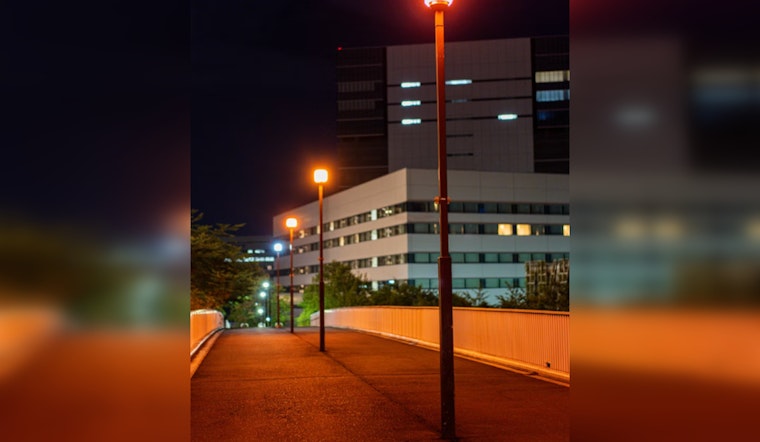
In New Orleans East, what should be a quick walk to the bus stop or grocery store often feels like running a gauntlet. Residents say decades of missing sidewalks, broken streetlights and bare-bones bus stops have turned routine errands along the I-10 service road into risky trips, with cars whipping by in near darkness. The city has moved into preliminary design on a scaled-back Connecting New Orleans East plan, but neighbors say the changes on paper still fall short of the safety fixes they need on the ground.
Scaled-Back Plan Enters Design Phase
City officials say they have roughly $2.2 million available to kick off design work, even after losing about $58.2 million in federal grants that would have funded three pedestrian bridges, shared vehicle and bike lanes, new lighting, trail connections and upgraded pedestrian signals. The early phase will focus on gathering up-to-date information, including a traffic study and a lighting report, and the city says the design work is expected to wrap in December. Project managers from Mott McDonald have been tapped to oversee the design phase, as reported by NOLA.
Mayor's 'Lights On' Push Brought the Issue Into View
Mayor Helena Moreno put a spotlight on the problem in January with her "Lights On" initiative, which prioritized quick repairs and brighter fixtures in New Orleans East as an immediate public-safety measure. The rollout near the Willows apartments brought together elected officials and public-safety leaders to underscore how long the neighborhood has been waiting for basic infrastructure. The event and the mayor's early steps were detailed by the Orleans Parish District Attorney's Office in a January release.
Regional Planning Data Underscores the Danger
A Regional Planning Commission evaluation of the I-10 service roads documented crash hotspots and used camera counts to track where people actually walk, revealing heavy pedestrian activity in areas with no sidewalks at all. The commission's Stage 0 work highlighted apartment clusters near Crowder Boulevard and Bullard Avenue as places where residents frequently walk in the street just to reach transit, grocery stores and other daily necessities. That analysis, which shaped earlier grant applications and the project's scope, was published by the New Orleans Regional Planning Commission.
Bridges Scrapped, Residents Want Basics
Councilmember Jason Hughes told reporters that "the three pedestrian bridges that were proposed over the interstate corridors are not happening," a major blow to the larger vision some neighbors had hoped to see. Many residents say they would rather get continuous sidewalks, working streetlights and sheltered bus stops in place before the city considers higher-profile projects. City leaders say the scaled-down design should help pinpoint where the available dollars can do the most good and guide future grant bids, as reported by NOLA.
What Comes Next
For now, neighbors in New Orleans East say they will be watching closely to see whether this latest round of planning turns into actual sidewalks and brighter blocks, rather than yet another stack of studies. The mayor's January "Lights On" pilot brought short-term fixture repairs to the corridor and set a public benchmark for what comes next, as reported by Lights On pilot.





