

























































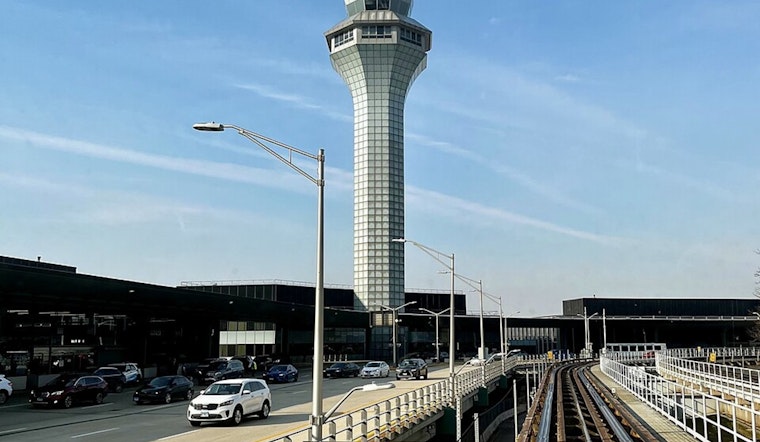
A sudden Federal Aviation Administration ground stop slammed departures at O’Hare International Airport on Monday, March 16, 2026, as snow and ice swept across the Chicago area. The pause hit during the morning rush and scrambled connections across the national system, leaving travelers facing cancellations and longer waits. While the stoppage was in effect, airlines and crews focused on clearing ramps and de-icing aircraft so they could restart operations safely.
FAA orders temporary hold on departures
The FAA placed a ground stop for departures to O’Hare just after 8 a.m., scheduling the restriction to last until 9:15 a.m. with a “medium” chance of being extended, according to FOX 32 Chicago. The report also noted that several Chicago-area schools announced closings or delayed openings because of the severe weather.
Blizzard warnings and treacherous travel
The National Weather Service put parts of northern Illinois under blizzard warnings, including McHenry and DeKalb counties, with warnings in effect through 1 p.m. CDT. The office said another 3 to 5 inches of snow and gusts to around 45 mph could produce whiteout conditions and make roads and airport operations hazardous, per the National Weather Service.
Cancellations pile up
Flight tracking showed heavy disruption. FlightAware recorded more than 350 cancellations at O’Hare early Monday, according to The Associated Press. That surge formed part of a nationwide storm system that left thousands of flights canceled or delayed over the weekend and into Monday.
Delays ripple across both airports
FlightAware's live airport status showed average arrival and departure delays at O’Hare of roughly 30 minutes, and its FlightAware page for Midway reflected rolling cancellations and delays across terminals. Those technical and capacity strains, including de-icing, reduced runway throughput and fewer spare crews, can keep ripple effects alive for hours after a brief ground stop.
How travelers should prepare
Passengers should check airline notifications and the Chicago Department of Aviation’s real-time arrivals and departures before heading to the airport, as the department’s FlyChicago site posts status updates for both hubs. Carriers typically open rebooking windows for travelers whose plans are disrupted, but availability can be limited during widespread weather events. For the latest weather guidance, travelers should consult the National Weather Service and their airline’s app.





