

























































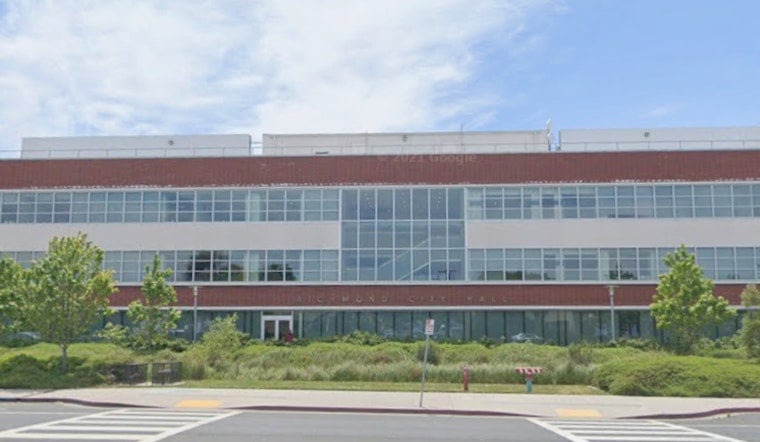
Richmond’s fight over automated license-plate cameras is heading back to the City Council, where members are set to decide whether to fire up the city’s Flock Safety system again after police pulled the plug late last year over a data-sharing scare.
The shutdown has turned into a full-on civic brawl, with residents packing council chambers and public comment turning into a testy back-and-forth between merchants, activists and police supporters. Councilmembers now have to weigh staff recommendations against sharp privacy objections from civil-rights advocates.
City staff is urging the council to reinstate the automated license-plate readers and extend the Flock CCTV contract through Dec. 31, including the company’s “Flock Drone as First Responder” program, according to NBC Bay Area. A binding vote was supposed to happen at the last hearing, but the clock ran out, so the decision landed on a future agenda.
Police officials say Chief Timothy Simmons ordered the plate-reading function turned off after discovering a “national lookup” setting in the back end that could allow reciprocal searches by outside agencies, Richmondside reports. The department maintains there is no evidence Richmond data was actually accessed, but the shutdown was immediate and, according to officials, has slowed certain investigations.
Supporters of flipping the system back on, including local merchants and out-of-town public safety organizers, staged a rally urging the council to restore the cameras and warning that the pause is dragging out casework. A Flock spokesperson told KTVU that deactivating the network carries “real consequences” for solving thefts, Amber Alerts and other time-sensitive crimes.
Police say cameras fueled arrests and recoveries
Richmond police leaders argue the system, which started rolling out in 2023, quickly became a workhorse for investigators. Chief Simmons told the council the network has helped generate roughly 274 arrests and led to the recovery of 259 stolen vehicles and 41 license plates since installation, Richmondside reports.
He also said vehicle thefts have climbed by about one-third since the license-plate readers were shut off, and urged councilmembers to restore the ALPR system while the city hammers out stronger safeguards on how the data can be used.
Privacy critics point to audits and lawsuits
Opponents counter that the technology has a track record of overreach and that contract language is a flimsy shield once data starts flowing.
They point to an audit in neighboring El Cerrito, where federal agencies were found to have searched that city’s Flock data, according to the Richmond Standard. Separately, KTVU has reported on a class-action lawsuit alleging that Flock’s license-plate systems have violated California law through broader data-sharing practices across the state.
What Richmond’s council will weigh next
Staff has laid out three options for the council, according to NBC Bay Area: bring back the full automated license-plate reader network with tougher contractual penalties for any data breach, keep only the CCTV and drone components while shopping for a different ALPR vendor, or let the entire contract expire.
A vote is expected at an upcoming follow-up meeting, with plans to revisit whatever choice they make by the end of the year if the system survives.
However, the council lands, Richmond’s decision has become a high-profile test case in the Bay Area’s broader tug-of-war over Flock’s crime-fighting tools and whether their investigative value is worth the long shadow of data-sharing and privacy concerns.




