

























































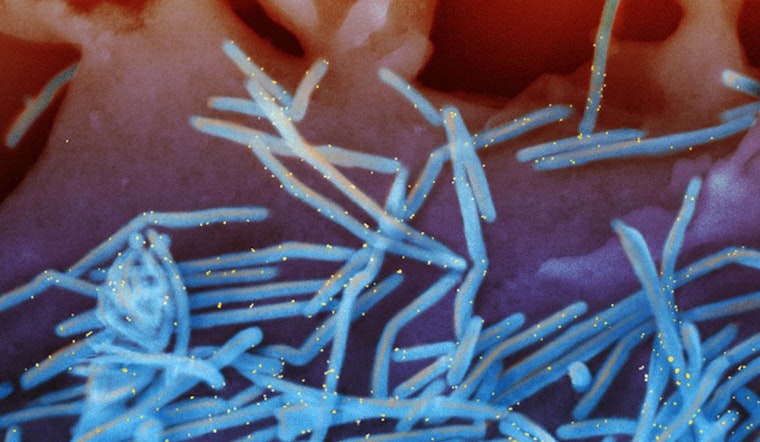
RSV season is supposed to be winding down by now in Chicago. Instead, city health officials say the virus is hanging on well past its usual exit, sending more babies and young children to emergency rooms even as the city heads toward spring. The unusual mid-March spike has pediatric clinics on edge and has the health department weighing whether to stretch infant immunization efforts beyond their normal cutoff.
According to the Chicago Tribune, city surveillance data show that for the week ending March 7, the percentage of positive RSV tests was more than double the rate seen in the same week in each of the last six years. Emergency department visits for RSV among children up to age 4 were more than three times higher than during the same week last year. The health department also reported very high RSV concentrations in wastewater for that week and confirmed that two children have died so far this season.
Doctors Say The Season Is Running Long
Local clinicians say this is not a brief blip but a sustained late-season wave that can keep pediatric services under pressure well into spring. As the Chicago Tribune reported, one specialist noted, "Historically, the RSV season ends sometime in March, but this year looks like it's going to be prolonged. This is unusual but certainly not unprecedented."
How Infants Can Be Protected
Health experts point to two main ways to protect the youngest babies: vaccinating pregnant people so they pass RSV-fighting antibodies to their newborns, and giving infants a single-dose, long-acting monoclonal antibody.
Guidance from the Centers for Disease Control and Prevention recommends maternal RSV vaccination at about 32 to 36 weeks of pregnancy during the September through January window. The CDC also advises that infants younger than 8 months whose mothers did not receive the vaccine be offered long-acting antibodies, such as nirsevimab, to lower the risk of severe disease. Both the maternal RSV vaccine and long-acting antibody products were cleared for use in 2023 by U.S. regulators.
Chicago's Coverage Gaps And Next Steps
City officials say uptake of these protective tools has been uneven, leaving some infants without the added shield that vaccines or antibodies can provide. Those gaps, they suggest, may be part of why pediatric hospitals are still busy with RSV cases this late in the season. The health department is tracking surveillance data closely and actively debating whether to keep offering infant immunizations past the typical end of March, while also ramping up outreach to pregnant people and caregivers. Local leaders are urging families of newborns and pregnant people to talk with their clinicians about the available options.
What Parents Should Know Now
Pediatricians are asking parents to stay alert for warning signs in infants and young children: trouble breathing, poor feeding, high fever, or extreme lethargy. If a baby appears seriously unwell, families are urged to seek care quickly.
Caregivers with a baby under 8 months are encouraged to speak with their pediatrician about whether the infant or a pregnant parent is eligible for maternal RSV vaccination or a dose of long-acting antibody, and where those products are currently available in Chicago. For detailed clinical guidance on who should receive which product and information on safety, the CDC's provider resources remain the primary reference, alongside up-to-date information from local clinics on supply and access.





_(33114415716).jpg)