

























































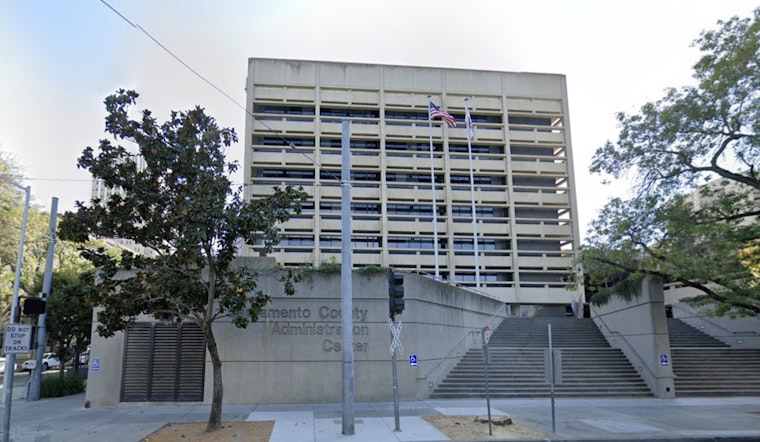
Sacramento County is preparing a major rewrite of its zoning code and corridor plans to make it much easier to build housing along long-neglected commercial boulevards. The push centers on corridor-specific updates - with the North Watt Avenue Specific Plan as the marquee effort - paired with a countywide Infill Program designed to cut discretionary reviews and expand by-right housing. County officials say the package is meant to boost housing supply, support transit and make key corridors safer and more walkable.
As reported by the Sacramento Business Journal, staff are drafting policy and zoning amendments aimed at picking up the pace of development along several major arterial corridors. That work follows months of internal planning and public outreach that county leaders say is focused on removing barriers that have stalled infill projects for years.
"By making these amendments, we are taking an important step in addressing the housing affordability crisis in Sacramento County," Planning Director Todd Smith said in a county news release. The Board of Supervisors has already directed staff to pursue Zoning Code and Special Planning Area changes that make housing approvals more predictable and faster to secure.
North Watt As The Big Test Case
In January, the county released a Notice of Preparation for a North Watt Avenue Specific Plan. The CEQA filing shows the planning area covers roughly 705 acres along a four-mile stretch of Watt Avenue and would set up new zoning districts to allow mixed-use, higher-density development.
According to SACOG, the corridor has been tagged as a Green Zone and has long been planned to accommodate about 7,200 housing units tied to recent street and transit upgrades.
What The Code Tweaks Would Actually Change
County planning documents outline a fairly concrete to-do list: allow more housing by-right along commercial corridors, eliminate some use-permit triggers for multifamily projects, encourage "missing-middle" housing types in low-density neighborhoods, and revisit parking requirements to help lower development costs. The Infill Program also calls for objective design standards, faster permit processing and updates to Special Planning Areas so builders face fewer surprises and lenders have more predictability for larger affordable projects.
Developers Are Already Circling
Private builders have started to move. West Sacramento-based Onyx Investment Group has filed an application for a 370-unit affordable project on Watt Avenue, a proposal first reported as a 370-unit affordable project. Because the site sits in unincorporated county territory, the plan still has to clear county review. Planners say that if the county expands by-right allowances as proposed, similar projects could avoid discretionary hearings and head more quickly toward construction.
What Happens Next
Environmental review and public outreach are already in motion for the North Watt plan. The county has published the CEQA Notice of Preparation and held a scoping meeting in January as part of work on the draft Environmental Impact Report. Staff say the policy and code changes will roll out in phases as the county tries to balance speedier housing production with CEQA obligations and neighborhood input.
The Legal Hurdles Are Not Going Anywhere
Even with a friendlier zoning code, major projects will still face CEQA and other entitlement steps that can shape both timing and scope. The Notice of Preparation for North Watt signals the start of a formal environmental review that could refine - or slow - how quickly those corridor rezonings translate into actual construction on the ground.





