

























































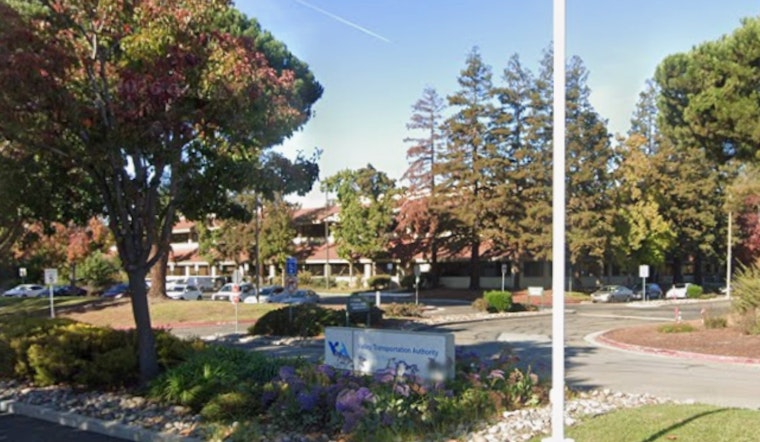
Along San Jose’s Capitol Avenue corridor, small business owners say a new $1 million relief fund from the Valley Transportation Authority is nowhere near enough to make up for months of lost sales as construction on the Eastridge to BART light rail extension drags on. At the Crossroads shopping center, merchants report sharp drops in both lunch and dinner crowds, staff cuts and mounting debt. Several long‑time operators warn they may not survive the year if customer traffic does not rebound soon.
What VTA is offering
Yesterday, the agency rolled out a Business Microgrant Program meant to reimburse merchants for losses tied to the Eastridge to BART Regional Connector, setting aside about $1 million in total aid. In a press release from VTA, officials said businesses within 100 feet of construction zones can apply for grants between $5,000 and $50,000, while those within 1,200 feet are eligible for a one‑time $3,500 payment. The program is limited to storefronts with fewer than 35 employees, and the exact award amounts depend on the documentation applicants submit.
Owners say the help will not be enough
Merchants say that while any assistance helps, the dollar figures on offer do not come close to covering what they have already lost. As reported by NBC Bay Area, La Grullensa owner Fernando Galindo estimates his sales have plunged 60% to 70% since construction crews arrived. Fast Delivery Pizza owner Alex Waziri told the station he is down roughly $40,000 over the past year and can no longer afford to keep a delivery driver on staff.
Galindo and other shopkeepers say construction work has at times blocked entrances to the shopping center, making routine visits difficult or impossible for regulars. That kind of uncertainty, they argue, cannot be patched over with a one‑time check.
Agency outreach and local response
VTA officials point to a series of outreach efforts and a “Shop Capitol” marketing push designed to steer customers back to the corridor. Kenneth Ronsse, VTA’s deputy director of engineering and program delivery, told San José Spotlight the agency is prepared to expand assistance if necessary.
Local leaders and business owners say those efforts are welcome but not a substitute for consistent, easy access and reliable foot traffic. They are urging the transit agency to move faster and provide clearer, more concrete mitigation while construction continues.
How long the pain could last
The Eastridge to BART Regional Connector is a roughly 2.4‑mile light rail extension that began major work in mid‑2024 and is projected to be completed around 2028, according to the project page on VTA. That multi‑year schedule means nearby businesses are staring down several more years of lane closures, night work and intermittent access limits that discourage visits.
Because the microgrants are structured to reimburse documented losses instead of replacing payroll or covering future shortfalls, some owners say the program is not built to match the scale or duration of the disruption.
Santa Clara County Supervisor Sylvia Arenas, who sits on the VTA board, has argued the agency should have anticipated those losses and responded sooner, a critique first raised in coverage by NBC Bay Area. VTA officials counter that the microgrant program and a dedicated outreach office on South Capitol Avenue are immediate steps meant to stabilize merchants. Business owners, in turn, say they will be watching closely to see whether the money arrives quickly enough to keep their doors open.





