

























































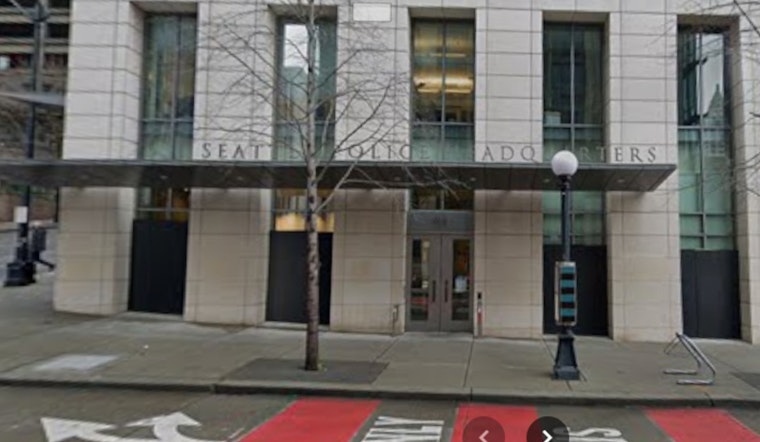
Seattle’s newest union contract for rank-and-file officers delivers hefty pay boosts and some tweaks around civilian crisis response, but it is drawing sharp criticism from lawmakers, oversight officials and civil-rights advocates who say it locks in old roadblocks to holding officers accountable. The agreement, approved by the City Council in December, keeps limits that critics argue will make it tougher to investigate and discipline serious misconduct.
What the contract actually does
The signed SPOG deal authorizes up to four civilian investigators and requires that a sworn investigator be assigned to any case that could result in an officer being fired. It also preserves an “elevated standard of review” for termination decisions, as laid out in the SPOG contract.
On paper, the agreement clarifies timelines too. It formalizes a 180‑day investigative clock with only narrow options for extensions. At the same time, it restricts the Office of Police Accountability’s ability to issue third‑party subpoenas for private videos, bank records and personal texts involving bargaining‑unit employees, and it leaves disciplinary appeals in the hands of arbitrators. That combination, advocates warn, will keep some of the most serious misconduct cases difficult to fully investigate or firmly punish, according to Axios.
Officials and advocates react
Councilmember Rob Saka, one of the no votes on the deal, zeroed in on OPA’s weakened subpoena power, calling it “the most glaring failure” and adding, “Without this critical tool, misconduct investigations can’t be completed, trust erodes, and institutions are shielded instead of people,” as reported by Axios.
Supporters on the council frame the compromise differently. Councilmember Bob Kettle, who chairs the City Council’s Public Safety Committee, argued that the pay bumps were necessary to recruit and retain officers and said the deal “clarifies misconduct investigation timelines” while paving the way to expand civilian 911 alternative response, according to the Seattle City Council blog.
Arbitration and the oversight gap
Because the contract keeps both arbitration and the higher burden of proof for termination, discipline imposed by police chiefs can still be reversed later through the appeal process. Watchdogs say that pattern weakens deterrence and public trust, especially as the city adjusts to life after federal oversight, which ended in 2025 and left local bargaining and the union contract as the main tools for accountability, as explained by Cascade PBS.
Legal implications
The city and the Seattle Police Officers Guild have agreed to send their remaining fight over the disciplinary appeals process to interest arbitration for a binding decision. That proceeding is expected to be decisive in determining whether the elevated review standard and current appeal rules stay in place, according to The Urbanist. If arbitrators uphold a tougher bar for termination or broad deference to the chief’s penalty decisions, advocates warn that reinstatements and long delays could keep undermining accountability.
What’s next
The arbitration timeline, along with any follow-up moves by the mayor or council, will determine how much of Seattle’s 2017 police-accountability ordinance actually takes hold in day-to-day practice. Local coverage has already tracked the initial deal and CARE expansions for residents, while advocacy groups such as People Power Washington are pressing for statewide changes that would pull core accountability rules out of the collective bargaining process altogether.



