

























































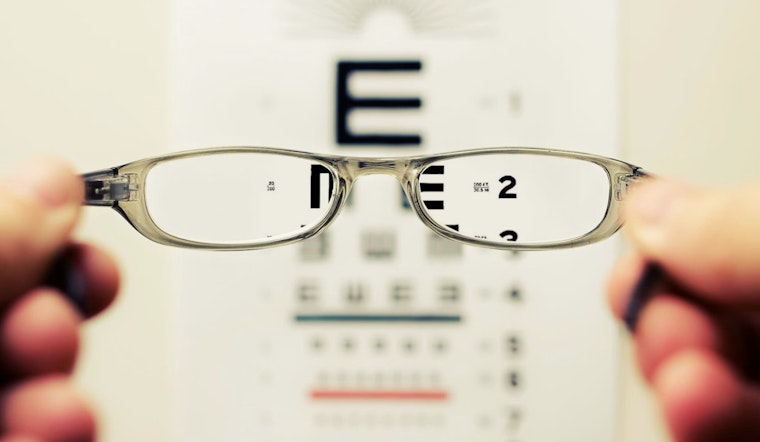
High-tech eyeglass lenses meant to slow childhood nearsightedness are already showing up on South Florida faces, and early reviews from families are surprisingly enthusiastic. Parents trying Essilor Stellest frames in Fort Lauderdale say their kids are seeing crisper detail and more vivid colors, while eye doctors stress these are not a magic fix, just a way to slow how fast young eyes get worse. The rollout comes as pediatric myopia climbs and public-health experts warn that more children are becoming nearsighted at younger ages, which can set them up for serious eye trouble later in life.
Fort Lauderdale mom Ela Ozman and her son Ata told Local 10 they noticed a change as soon as he put the glasses on. “All the colors pop. I can see so clearly,” Ata said. In the same report, Fort Lauderdale ophthalmologist Dr. Gabriella Olivares warned that myopia can drag down school performance and sometimes gets mistaken for attention issues. Local clinicians in the piece urged parents not to rely on glasses alone, pushing for more outdoor time and regular eye exams as part of a broader game plan.
FDA authorization and the evidence
The U.S. Food and Drug Administration authorized marketing of Essilor’s Stellest spectacle lenses on Sept. 25, 2025, clearing what the agency called the first eyeglass lens specifically intended to slow progression of pediatric myopia. In a two-year clinical trial, the FDA reported about a 71% reduction in prescription change and a 53% reduction in axial elongation compared with standard single-vision lenses, with authorization covering children 6 to 12 years old when treatment starts. Regulators said there were no serious adverse events, although some children did report visual symptoms such as blur or halos, according to the FDA.
How the lenses work
Stellest lenses use a “volume” of tiny aspherical lenslets laid out in concentric rings around a clear central zone. That pattern creates peripheral myopic defocus, which research suggests sends a signal to the growing eye to slow its elongation. Clinical summaries find that the lenses work best when kids wear them consistently and for long stretches, with some analyses putting the treatment effect in the 60–67% range when children use them for roughly 12 hours a day. Over several years of follow-up, studies have generally found good tolerance and sustained benefit, according to a peer-reviewed overview of myopia-control spectacle designs (peer‑reviewed review).
What eye doctors recommend
Eye-care professionals say these glasses are one more tool in a growing myopia-control toolkit that also includes low-dose atropine eye drops and specially designed contact lenses. The goal is to slow progression and lower the odds of later complications such as retinal detachment, glaucoma and early cataracts. The National Eye Institute underscores those long-term risks for people with high myopia, and randomized studies have found that simply building more outdoor time into the school day can cut the chances that young children become nearsighted at all (a JAMA trial). Local specialists say parents who see rapid prescription changes should get their child in to a pediatric ophthalmologist or optometrist to talk through whether myopia-control lenses make sense.
Availability and cost
EssilorLuxottica said it began offering Stellest lenses to U.S. eye-care professionals after the FDA decision, with a limited rollout starting in late 2025 (EssilorLuxottica). Industry write-ups and clinical overviews put typical prices for myopia-control spectacles in many markets at around $250 to $450 per pair, with insurance coverage all over the map and ongoing monitoring usually recommended (clinical review). Families are advised to check with local optical shops and clinics about when lenses will be in stock, how fittings work and whether their child meets the age and prescription guidelines.
Because myopia usually worsens while kids’ eyes are still growing, from the early elementary years through the mid-teens, catching fast changes early tends to deliver the biggest long-term payoff. A recent review from the National Academies highlights the 6-to-16-year window as the period when progression is most active and reports that, without effective prevention and control, myopia could affect roughly half the world’s population by 2050 (National Academies). South Florida parents already using Stellest say their children can feel the difference in day-to-day vision, and clinicians say the technology gives families a low-risk, spectacle-based option as they try to protect their kids’ sight for the long haul.





