

























































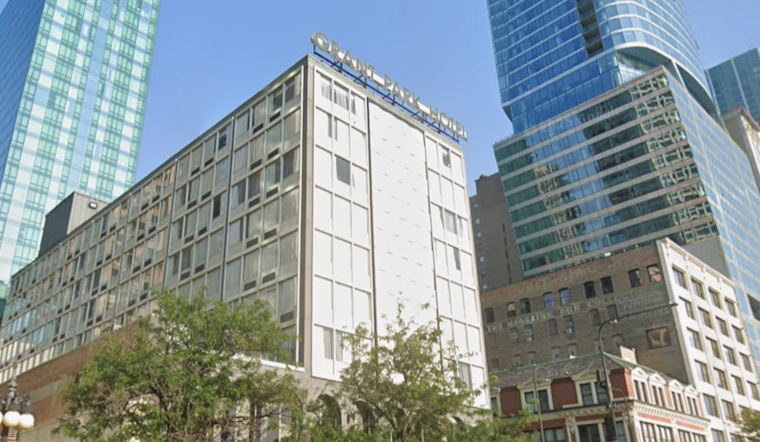
The South Loop hotel scene just got a lot more complicated. Veteran Chicago hotelier Su-Mei Yen has put 18 companies tied to two neighborhood hotels into Chapter 11 protection, clouding who ultimately controls the properties and what happens to the debt coming due. The filings cover the Best Western on Michigan Avenue and the Homewood Suites complex on Wabash and arrive in the middle of a nearly $187 million foreclosure suit and a stack of investor lawsuits. For now, both buildings are still open to guests, but the legal knife fight unfolding in the background leaves the long term future of the hotels, and their local creditors, very much up in the air.
Bankruptcy filing and what it covers
Public filings show Yen placed 18 affiliated entities tied to the two-hotel development into Chapter 11, listing between $100 million and $500 million in both liabilities and assets. The scale of the case puts dozens of creditors on formal notice. According to The Real Deal, the petition identifies hundreds of creditors and lists the city of Chicago and the Illinois Department of Revenue among the largest unsecured claimants. The Chapter 11 filings are expected to pause most collection efforts while the cases work their way through bankruptcy court.
The foreclosure suit and the loan behind it
An affiliate of Acore Capital filed a nearly $187 million foreclosure complaint in Cook County last August after alleging the borrower violated forbearance terms and stopped depositing hotel revenue into required accounts. Bisnow reported that the two hotels were bundled in a 2019 refinance of roughly $146.7 million and that the lender is seeking a court appointed receiver along with nearly $187 million in principal, interest and fees. Neither Acore nor SB Yen immediately responded to requests for comment, according to the outlet.
Investors' claims and mounting lawsuits
Yen and her daughter Cassie are also facing multiple Cook County lawsuits from EB-5 investors who say they put nearly $50 million into the South Loop hotel projects with the expectation of immigration benefits that never materialized. As first reported by The Real Deal, one investor case has been expanded to roughly $18 million in claims, and at least one lawsuit has been sent to arbitration. If investors ultimately prevail, those awards would stack on top of the already stressed capital structure around the properties.
What the filing means legally
A Chapter 11 petition generally triggers an automatic stay that halts most collection actions, including foreclosure efforts, while a federal judge oversees the case. The stay arises under 11 U.S.C. § 362, which bars creditors from "commenc[ing] or continu[ing]" most litigation against a debtor while the case is pending, according to the Legal Information Institute. Secured creditors such as Acore can ask the bankruptcy court for permission to move ahead, but that requires a separate request and a judicial finding that there is legal cause to lift the stay.
What to watch next
In the coming weeks, the debtor is required to file detailed schedules of assets and debts and sworn financial statements, and the court will set deadlines for creditor claims and a meeting of creditors. Industry lawyers say Chapter 11 often buys a debtor time to negotiate with lenders, line up new financing, or market assets for sale. A secured lender can still ask the judge to lift the stay if it can show cause, according to LegalClarity. Observers will be watching for motions for relief from stay, fights over use of cash collateral and any request for debtor-in-possession financing, all of which will dictate whether the hotels can keep operating largely as usual.
South Loop stakes and broader market context
The two properties together make up a sizable slice of the downtown midmarket lodging supply. The portfolio includes a renovated 172-room Best Western on Michigan Avenue and a 196-room Homewood Suites with an adjacent 85-room extended stay section, for a combined total of about 453 rooms. Bisnow and other trade outlets have tracked a run of large Chicago hotel loans slipping into distress over the past year, and the Acore action ranks among the biggest foreclosure threats in that group. For nearby residents and the hotels' employees, the immediate worry is whether operations and payroll stay steady while owners, lenders and investors hash out their competing claims.
Public court dockets will reveal the next moves, from creditor meetings to any foreclosure related skirmishes. For now, Yen's Chapter 11 petitions pull the fight over these South Loop hotels into federal court, give creditors a single arena to press their claims, and put any immediate Cook County foreclosure sale on hold.





