

























































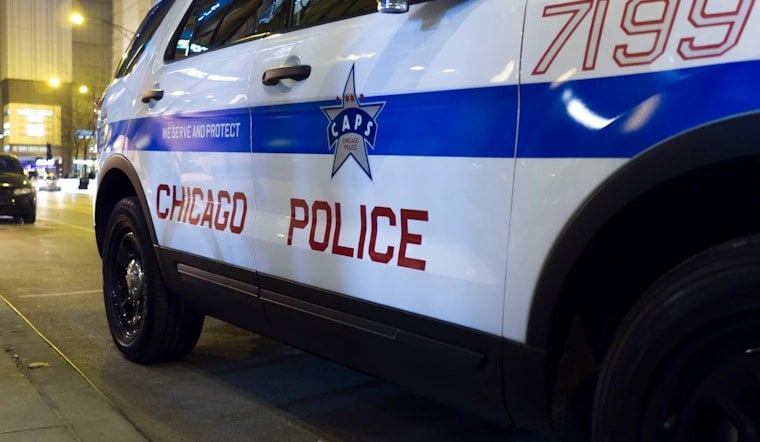
Chicago is nervous. Nearly half of city residents now say violent crime is rising, even though official numbers through mid-2026 show shootings and homicides running about the same as last year. A new citywide poll found 44% of respondents believe violent crime has increased, 38% say it has stayed about the same, and 18% say it has decreased. That disconnect is striking given that Chicago closed 2025 with its fewest homicides since 1965.
The figures were reported Tuesday by WTTW News and come from NORC at the University of Chicago’s ChicagoSpeaks survey. The poll, conducted June 15–23, included 1,194 city residents and carries a margin of error of about ±4.1 percentage points, according to WTTW News.
Perception Splits Along Politics, Race And Age
The survey shows Chicago is not one city when it comes to how people think about crime. Among Republicans, 69% said violent crime has gone up, along with 57% of independents. Only 34% of Democrats agreed. Black and Hispanic respondents were also far more likely than white respondents to say crime has increased.
Age matters too. Roughly half of Chicagoans over 45 said violent crime has increased, compared with 39% of adults under 45. NORC’s ChicagoSpeaks project also found a strong link between how often people see violent-crime content online and the likelihood they say crime is rising, according to NORC at the University of Chicago. In other words, if your feed is full of shootings, you are more likely to believe the whole city is spiraling.
City Data Tells A Flatter Story
Official numbers paint a steadier picture. City datasets show roughly 974 shootings and about 234 homicides recorded so far in 2026, a pace essentially identical to the same point last year, according to data from the City of Chicago data portal. Those counts - along with the fact that 2025 finished as the city’s lowest homicide year since 1965 - come from the city’s public dashboards.
Officials caution that the raw figures are preliminary and regularly updated as investigations and reports are reconciled. Still, the broad trend line so far looks flat, not like the surge many residents say they feel.
Trump’s Rhetoric, Viral Videos And A Sense Of Siege
National politics and online media are clearly in the mix. President Donald Trump has repeatedly labeled Chicago a “war zone” and a “hell hole,” language that has echoed for years across cable news and social platforms. That framing, combined with viral clips of violent incidents and constant exposure to crime content, helps explain why many residents feel less safe than the statistics alone might suggest. WTTW News highlighted those dynamics in its coverage of the poll.
The survey also underscores how pocketbook pain feeds safety fears. About two-thirds of respondents said the cost of living in their area is unaffordable, and roughly a third said they cannot pay their monthly bills in full. NORC’s findings emphasize that economic anxiety and online exposure work together to shape how people talk about public safety in their neighborhoods, according to NORC at the University of Chicago.
For City Hall and police brass, the message is not subtle: the numbers matter, but so does the vibe. Official data gives leaders a baseline for strategy, yet the poll suggests a broad swath of residents feel less secure. That mood can drive elections, policing priorities and neighborhood politics long before the statistics budge. Expect a lot more emphasis on blending data-driven violence prevention with block-level outreach and clearer communication about crime trends and available resources in the months ahead.




