

























































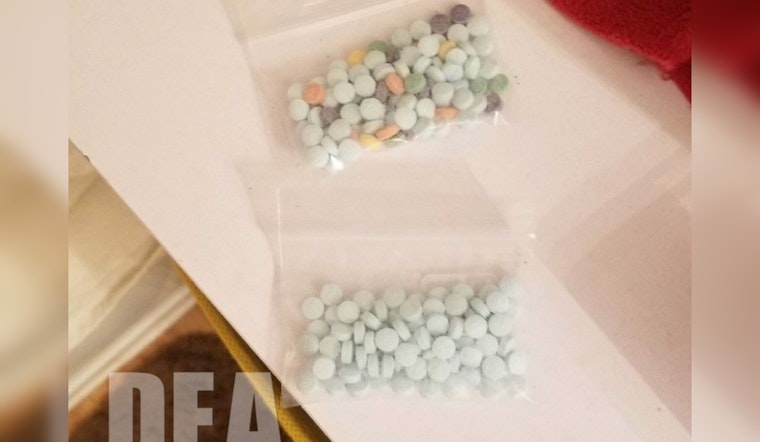
A federal jury has convicted a Spokane man of supplying fentanyl pills that prosecutors say led to two fatal overdoses in Skagway, tightening the legal net around a small Alaska town hit hard by the opioid crisis.
Jurors found 34-year-old Jacob Cotton guilty this week of distributing counterfeit fentanyl pills tied to the deaths, after prosecutors said he mailed the drugs from Washington state to the Southeast Alaska community.
GUILTY: A jury found a Washington man guilty of distributing fentanyl that resulted in two overdose deaths in Alaska. Jacob Cotton, 34, was convicted. — DEA Seattle Field Division (@DEASEATTLEDiv) March 26, 2026
According to a post by the DEA's Seattle Field Division on X, the jury returned its guilty verdict this week, and the agency quickly highlighted the outcome online. The case followed a federal indictment returned by a grand jury in Alaska in February 2025, charging Cotton with conspiracy to distribute fentanyl resulting in death and distribution resulting in death, according to the U.S. Attorney’s Office for the District of Alaska.
How investigators say the pills reached Skagway
Local police and court records state that the pills were shipped through the mail from Spokane to a contact in Skagway. Two men, 28-year-old Anthony Bowers and 44-year-old James Cook, overdosed on January 13 and 14, 2023, after the shipment arrived.
Investigators alleged that Cotton supplied fentanyl to Bowers, who then passed some of the pills to Cook. That timeline and allegation are drawn from police filings and local reporting reviewed by Skagway News.
Charges and what comes next
Cotton was indicted on one count of conspiracy to distribute fentanyl resulting in death and one count of distribution resulting in death. The U.S. Attorney’s Office has previously stated that a conviction on those charges carries a potential sentence ranging from 20 years to life in federal prison.
State charges had been filed earlier in the case, and the Skagway Police Department has credited a multiagency investigation involving federal and local partners, including the DEA and Southeast Alaska Cities Against Drugs, with moving the case forward. For more details on the charges and underlying statutes, officials have pointed to notices from the U.S. Attorney’s Office and the Skagway Police Department.
Why it matters in Alaska
The Skagway deaths unfolded during a broader fentanyl surge that pushed Alaska’s overdose toll to record levels in recent years. State data show 357 overdose deaths in 2023, followed by a slight decline to 339 in 2024, with fentanyl involved in most of those fatalities, according to figures reviewed by the Alaska Beacon.
In response, health officials have expanded naloxone distribution, drug-checking efforts and public education in small and rural communities, trying to keep pace with a drug supply that has grown deadlier even as overall overdose numbers dip slightly.
No sentencing date for Cotton has been publicly posted yet. A federal judge will set his sentence after weighing the federal sentencing guidelines. For now, the DEA’s social media statement and the earlier indictment announcement from the U.S. Attorney’s Office remain the main public records in the case, with additional court or prosecutorial updates expected as the case moves toward sentencing.





