

























































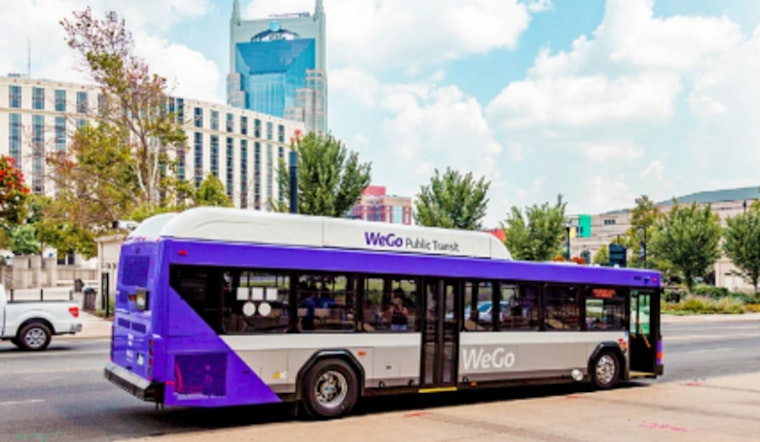
State lawmakers have given Nashville a crucial nod on transit, backing a resolution that clears the way for dedicated bus lanes on two of the city’s busiest pikes and parts of downtown. The nonbinding measure sailed through the Tennessee House on Monday in a 92-2 vote after winning unanimous approval in the Senate earlier this month. It signals state-level support for pieces of Nashville’s voter-approved transit plan, although the Tennessee Department of Transportation still has to sign off before any lanes get repainted or protected.
According to the Nashville Banner, the March 30, 2026, House vote backs transit-only lanes on Nolensville Pike, Gallatin Pike, and certain stretches downtown. The state Senate had already passed a companion resolution unanimously on March 2. Lawmakers pitched the move as a procedural fix that lets Metro start spending its transit surcharge money on real-world projects instead of just plans on paper.
The votes lock in with the city’s Choose How You Move program, the transportation fund that Nashville voters approved in November 2024. The initiative maps out “All-Access Corridors” and sets aside money for bus rapid transit service, sidewalks, and signal upgrades, according to Nashville.gov. The plan identifies priority corridors where riders are supposed to see reliable, high-frequency buses and dedicated lanes roll out over the coming years.
State Control And TDOT's Role
There is a catch: big chunks of Gallatin, Nolensville, and Murfreesboro pikes are technically state highways. That means any lane reconfiguration that affects the state right-of-way needs Tennessee Department of Transportation approval. TDOT is already in the middle of public meetings and environmental reviews for nearby "Choice Lanes" projects, which highlights how central the agency is to corridor redesign. A notice from Murfreesboro outlines TDOT’s outreach and review schedule for the I-24 Choice Lanes effort.
House Amendment And Bike Lanes
During committee debate, lawmakers tweaked the resolution to add the phrase "excluding bike lanes." Rep. Dan Howell said that exclusion applies to the bus lanes in question and called the vote "the next piece of the puzzle to allow Nashville to move forward." The mayor’s office declined to comment on the pending legislation, according to the Nashville Banner.
What Happens Next
Even with fresh support from the Capitol, no one should expect overnight changes to traffic patterns. Metro, WeGo, and TDOT still have to wrap up engineering and design work, sort out jurisdictional handoffs, and run public outreach or pilot programs before any permanent re-striping happens. Nashville’s transit pages emphasize that the program is built around phased rollouts and pilot projects that will advance through the planning pipeline this year, according to Nashville.gov.
Tunnel Plans And Local Politics
Complicating the picture is another splashy project: The Boring Company’s proposed "Music City Loop," a tunnel system that would run largely under Murfreesboro Pike. The idea has triggered new questions about who controls that corridor and how overlapping projects might coexist, as previously reported by WPLN. The new resolution notably leaves Murfreesboro Pike off the list, even though that stretch routinely surfaces in regional transit debates.
Lawmakers insist the resolution gives Nashville political cover to turn long-discussed concepts into actual timelines. The harder work is still ahead. City and state officials will now have to figure out how to reallocate curb space, reconcile the bike-lane language, and convince skeptical neighbors that transit-only lanes are worth the hassle. That means more phased pilots, more back-and-forth at public meetings, and a lot of design work before riders see consistent time savings on Gallatin or Nolensville pikes.





