

























































Snohomish’s big-ticket plan for a consolidated civic campus is getting put on a budget diet after newly installed city leadership balked at the price tag and the hit to the city’s borrowing power. The original vision, pegged between $45 million and $55 million, is being reworked into a smaller, cheaper concept that could leave some services, including the police department, right where they are. City officials say the reset is about protecting limited bond capacity while still getting vulnerable public-works equipment out of a floodplain.
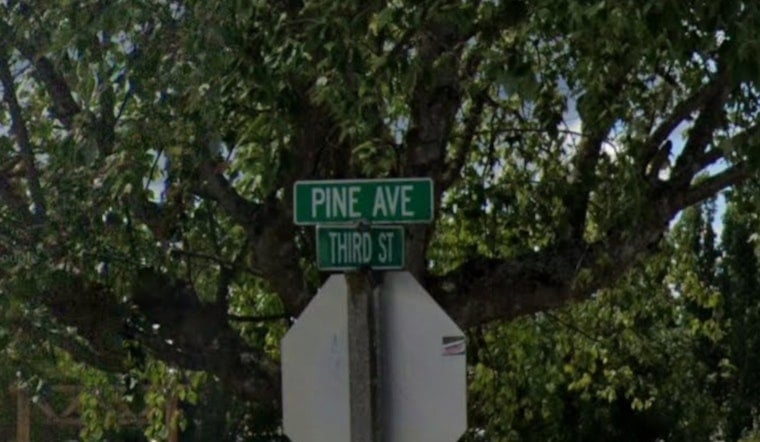
At the March 3 City Council meeting, members gave City Administrator Ken Klein the go-ahead to ask the contracted architect for scaled-back campus concepts for the city-owned block at Third Street and Pine Avenue, as reported by Snohomish County Tribune. The previous design would have brought the police, public works, and city staff under one roof, with a summer 2025 estimate landing at roughly $55 million. Council members said they now want options that lean on existing property and grant funding instead of loading up on new municipal debt.
Public Works at Risk From Flooding
The city’s public-works shop currently sits in a tidal floodplain beside the Snohomish River, raising alarms about the potential loss of equipment in a major flood or earthquake. According to the City of Snohomish, the plan calls for moving public-works and engineering offices into a Fire District 4 annex on Avenue D once a 2023 interlocal agreement is finalized. City materials also state that Fire District 4 broke ground in 2025 and expects to wrap up construction of its building in late 2026.
How the City Would Pay for It
The city has already lined up about $5.27 million in grants and savings for the civic campus, plus roughly $970,000 that can only be spent on design work, and officials say selling property could add roughly $1 million to the pot, HeraldNet reports. To build the original plan, the city had been contemplating about $30 million in bonds. Staff warned that Snohomish’s maximum bonding capacity is around $40 million and that taking on another $30 million in debt would require voter approval. Klein and council members have said a $30 million bond would carry about $2.5 million per year in repayment costs, a burden they are eager to sidestep.
"We have to move quickly," City Administrator Ken Klein told reporters. "If we’re going to be building something, we want to be building something in ’27," HeraldNet reports. Lawhead Architects is expected to start work on the reduced concepts around March 23, with no design likely ready for council review until late April.
Next Steps for Design and Funding
The council instructed Klein to return with rough sketches and price tags so members can decide which services should be consolidated on the new campus and which should stay where they are. City staff say they plan to wrap up remaining schematic-design tasks and an infrastructure package so the site is "shovel-ready" while Snohomish chases grants and other nonbond funding, according to the City of Snohomish. Construction on the Fire District 4 building is slated to continue on schedule and is not expected to be directly affected by the city’s redesign work.
Mayor Aaron Hoffman, who criticized the original cost during his campaign, has pushed to avoid large new bonds and instead lean on existing assets and grant dollars to deliver a smaller project, the Snohomish County Tribune reports. Council members say they want to see the new concepts and the numbers behind them before deciding whether to pursue a ballot measure or any other borrowing.



