

























































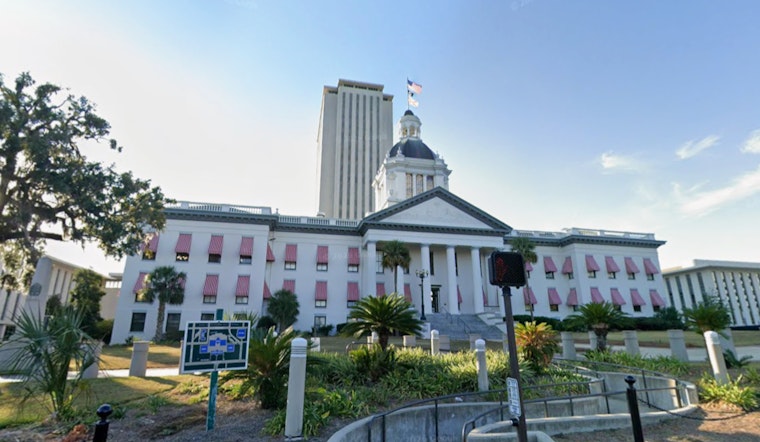
Florida lawmakers in Tallahassee have pumped the brakes on a proposal that would have protected students from being punished over natural hairstyles, leaving advocates frustrated and kids’ curls still at the mercy of school dress codes.
The bill, known as the CROWN Act, was designed to stop schools from disciplining students for afros, braids, locs, twists and other styles closely tied to cultural identity. Supporters argued that current grooming rules are enforced in ways that disproportionately impact Black students, and that the change was needed to curb unequal discipline.
According to WTSP, the measure "died in committee" at the Florida Legislature on March 2, 2026, after it failed to clear the panel that first heard it. The station reported that the bill would have barred schools from taking disciplinary action against students over natural hairstyles in public schools and certain private schools that accept state scholarship funds. WTSP also noted that committee leaders did not issue immediate public statements explaining why the proposal was blocked.
What the Bill Would Have Done
According to the Florida Senate, SB 252 would have formally defined a "protected hairstyle" as hair textures and styles historically associated with race, specifically naming afros, braids, locks and twists. The bill sought to prohibit discrimination against K-20 students on the basis of those hairstyles. The Senate version, sponsored by Sen. Jones, was paired with an identical House bill, H 235, filed by Rep. Fentrice Driskell. The legislation listed a proposed effective date of July 1, 2026.
Advocates Pressed in Tallahassee
Supporters rallied at the state Capitol, holding a press conference to urge lawmakers to give the bill a hearing and a vote. Rep. Driskell said students had already faced punishment simply for wearing their hair naturally, according to WMNF. "When students are told that those styles are unacceptable, the message they receive is that something about them is unacceptable," Driskell said. Local organizers, including Black Girls Govern, told reporters they intend to keep pushing for protections for young people who say grooming codes have singled them out.
Legal Implications
The proposal carried real financial teeth for schools that take public money. The bill language would have allowed the Department of Education to suspend scholarship payments to any private school that knowingly ignored the nondiscrimination rules, according to the Florida Senate filing. That enforcement mechanism was a key feature of the effort to apply the protections across both public campuses and state-funded private schools. If enacted, the measure would have expanded statutory language on race so that it explicitly covered hair texture and protected hairstyles.
What’s Next
With the bill stalled, supporters say they are regrouping, even as leaders signal that the legislation faces long odds this session. House Minority Leader Driskell told reporters via WFLA that talks with leadership had "left the bill at a standstill" and that advocates did not want to be "kept on the hook." Given the tight legislative calendar, the committee setback makes it highly unlikely the measure will advance this year unless a sponsor manages to secure a late procedural lifeline.
National Context
Versions of the CROWN Act have passed in more than two dozen states as advocates work to overhaul grooming policies that research shows fall hardest on Black students. Florida’s repeated attempts to move similar legislation, along with the latest committee defeat, highlight how dress codes and discipline remain a live-wire issue in state politics, according to the Florida School Boards Association.





