

























































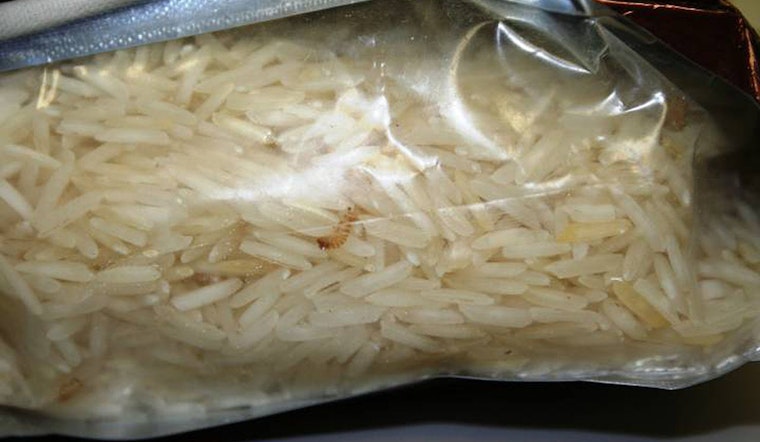
Customs and Border Protection agriculture specialists at Austin-Bergstrom International Airport quietly scored a big win this week, intercepting a khapra beetle that airport officials called a "first-in-port" discovery. Flagged on Wednesday, the tiny insect is widely billed as the world's most destructive grain pest and poses a serious threat to stored grain and processed foods, so even one stray beetle is enough to get federal attention.
@DFOHouston @CBP Thank you, AUS CBP! 👏❌🪲
— Austin-Bergstrom International Airport (@austinairport) March 11, 2026
As posted by Austin-Bergstrom International Airport, the airport thanked CBP and described the interception as a "first in port." The brief social media note did not say whether the khapra beetle was found in cargo, baggage, or mail, and for now it remains the primary public word on the incident.
Why the khapra beetle matters
The khapra beetle (Trogoderma granarium) is a quarantine-significant pest that infests grains, oilseeds, nuts, and many dried foods and can cause severe economic losses if it becomes established. According to USDA APHIS, its larvae and shed skins can contaminate shipments, the species is difficult to detect, and it can survive long periods in dormancy, traits that make eradication difficult and expensive. That combination of stealth and damage potential is why a single interception is enough to draw close scrutiny from federal plant-health officials.
What "first in port" means
CBP uses the "first in port" label for agricultural discoveries that have never before been recorded at that specific port, a designation the agency relies on to flag unusual finds, according to CBP. Khapra material has turned up at other U.S. airports in recent years, and in one notable case federal inspectors found khapra remains at Detroit Metropolitan Airport earlier this year, underscoring why airports are a key line of defense against invasive pests, as reported by WILX. Discoveries logged as "first in port" are recorded so USDA and state partners can track and follow up on them.
How officials typically respond
When inspectors suspect khapra, samples are sent to USDA identifiers for confirmation, and any affected shipments or items are detained, treated, or destroyed as needed, in line with national guidance from USDA APHIS. Agencies can also deploy targeted trapping and surveys to check whether the pest has spread and notify state plant-health officials if more detailed delimiting work is required.
What travelers and businesses should do
Travelers coming back from overseas are expected to declare all food, seeds, and plant material to CBP so they do not accidentally move pests across borders, and importers and warehouses are urged to keep facilities clean and inspect incoming goods, according to CBP. Anyone who thinks they have found an unusual insect in a shipment or luggage should keep the specimen if possible and contact local authorities or state agriculture officials for guidance.
For Austinites, the interception is a low-key reminder that global trade and travel bring biological risks along with all the goods and gadgets. Federal agriculture specialists say vigilance at ports like AUS is the first line of defense against pests that could threaten farms, food processors, and even neighborhood grocery shelves.





