

























































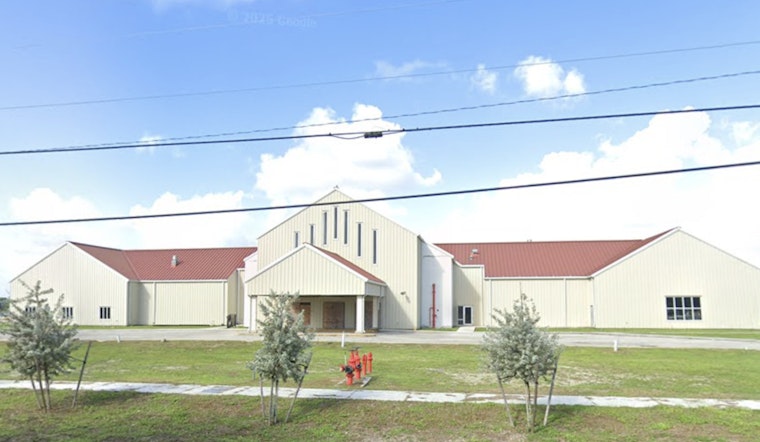
The Zion Seventh-day Adventist Church in northwest Miami-Dade says it has literally been left picking up the pieces after repeated piles of trash and old furniture were dumped on the sidewalk outside its building. The small congregation, still in the middle of renovating its space, says it cannot keep absorbing cleanup costs and worries that every time a pile disappears, it just invites the next round of illegal dumping. Miami-Dade County has now agreed to clear the latest debris without issuing a fine, but church leaders say they are still waiting on a lasting fix.
According to CBS News Miami, a Solid Waste Management spokesperson told the station that the department has no record of issuing fines or citations for the property since 2023 and that it does not consider the location an illegal-dumping hotspot. Inspectors found bulky items, including furniture and a truck fuel tank, in the adjacent right-of-way, and the county said it would remove the debris.
County Law Puts Cleanup Responsibility On Owners
Under Miami-Dade law, Section 15-5 requires property owners to keep their parcels and adjacent rights-of-way free of uncontainerized solid waste, according to the Miami-Dade County Code. The ordinance allows the county to issue notices, levy civil penalties and order cleanup when owners do not comply, which can leave small nonprofits and businesses paying for repeated cleanups even when the mess is dumped by someone else.
How Officials Try To Stop Repeat Dumpers
The county's Department of Solid Waste Management runs a Special Investigations Unit that uses cameras and surveillance to track down repeat offenders. DSWM press releases highlight cases where camera footage led to arrests and felony charges. The agency also notes that illegal dumping costs taxpayers millions of dollars in enforcement and cleanup, and it urges residents to report dumping in progress by calling 911 and past incidents through 311 or the DSWM mobile app. Local reporting has followed similar camera-based stings, including one that led to arrests covered in a previous story on a felony dumping sting.
Church Fears Short-Term Fix
Louis Daphnis, a church representative, told CBS News Miami, "If we clean it, then next week, we're going to have them dump more stuff," estimating that regular cleanup could cost $500 to $600 a month. Daphnis said the building is close to reopening and the congregation does not have the budget to cover ongoing removal bills, which is why the county's decision to clear the current pile without a fine was such a relief. The county suggested deterrents such as limiting access points, installing lighting or surveillance cameras and posting highly visible no-dumping signs to discourage repeat violators.
Reporting And Next Steps
Officials urge residents not to confront suspected dumpers, and instead to note vehicle descriptions and license plates and report any dumping in progress to 911. Past incidents can be reported to 311 or through the county's Solid Waste app, the Miami-Dade Department of Solid Waste Management notes. Property owners dealing with chronic dumping can look at deterrents such as stronger lighting, locked gates or cameras, and may be connected with code-enforcement officers for quicker follow-up. For now, Zion is getting a one-time county cleanup, but church leaders and nearby residents say they want a more durable plan so the trash piles stop coming back.





