

























































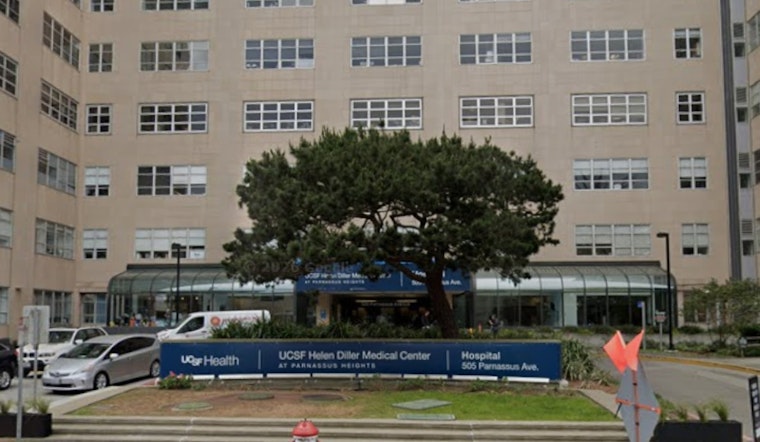
A small UCSF trial of a personalized closed-loop brain implant sharply cut disabling chronic pain for most participants, researchers say, offering new hope to patients whose daily lives are ruled by pain. The team used a brief inpatient mapping period to find individualized stimulation sites, then implanted sensing-capable devices that switch on only when a person’s brain shows pain markers. The results are early and come from a very small group, but the rapid, meaningful relief for several participants has already stirred fresh interest in adaptive neuromodulation.
What the UCSF trial did and found
Investigators ran a 10-day intracranial mapping protocol in six people with treatment-resistant neuropathic pain, then implanted permanent stimulators in five responders for longer-term testing. According to a medRxiv preprint summarized on Sciety, personalized closed-loop stimulation outperformed sham in a double-blind crossover and produced large, durable drops in pain intensity for most participants, with benefits lasting months to years for some. The work is part of an NIH-funded research program at UCSF and is registered under UCSF Clinical Trials on the university's trial listing.
How closed-loop DBS differs from older approaches
Instead of the older “always-on” approach, closed-loop systems record brain activity and trigger stimulation only when machine-learned biomarkers indicate a high-pain state. UCSF researchers say the team combined recordings from multiple regions, including cingulate and sensory areas, and trained algorithms that can adapt to sleep-wake cycles and individual patterns. That sensing-plus-stimulation setup is what lets the device act a bit like a pacemaker that responds to symptoms instead of running 24/7, according to UCSF News.
Safety, limits and regulatory reality
The surgery is invasive and the preprint notes two participants experienced serious surgery-related adverse events, although investigators reported those complications were not stimulation-related, per Pain News Network. Closed-loop DBS for pain remains experimental and expensive, and regulators have so far cleared DBS mainly for movement disorders and certain seizure indications. Manufacturers have won recent approvals for sensing or adaptive systems in Parkinson’s disease, a step that shows momentum for the technology, but widespread access for pain patients will require larger trials and regulatory review (Medtronic).
Who might benefit and what's next
More than 50 million Americans live with chronic pain, and many patients say the condition shortens life and eats away at daily function, as noted in recent coverage. Johns Hopkins palliative-care director Dr. Tom J. Smith told News4JAX that uncontrolled pain can affect appetite, movement and even survival. UCSF is continuing enrollment in its broader program, and interested patients can find trial details and contact information on the university's UCSF Clinical Trials page.
Researchers say the UCSF results are a hopeful proof-of-concept rather than a ready therapy. Larger, multi-center studies, peer review and longer safety follow-up are needed before surgeons, insurers and regulators can consider wider use. As UCSF News emphasizes, the path from promising pilot to routine care is likely to be measured in years, not months.



