

























































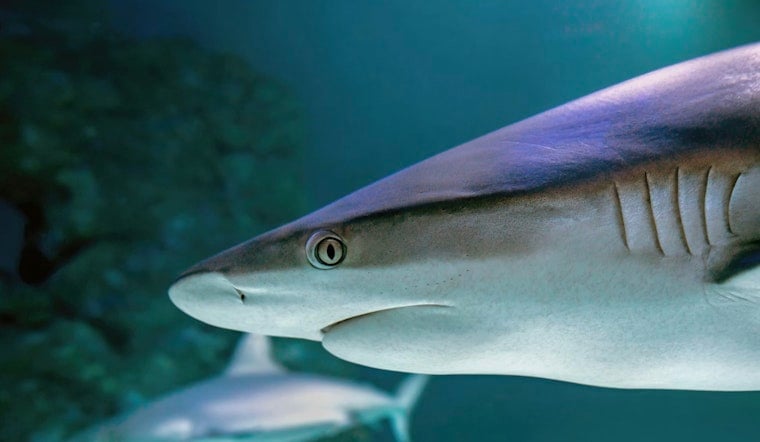
A 10-foot juvenile great white shark named Cayo quietly checked in just off Palm Beach early Monday, extending a roughly 4,100-mile journey that researchers have been following for months. Her dorsal-fin tag sent a brief satellite “Zping” as she broke the surface, giving scientists enough data to triangulate her location near the Palm Beach coastline and log the latest stop on her long east-coast trek that began after she was tagged last summer.
According to WPEC/CBS12, the Zping hit at 6:49 a.m. on April 13 and confirms Cayo briefly surfaced in the area. The station reports she measures 10 feet, 3 inches, weighs about 689 pounds, and last sent a standard satellite ping on April 10. Palm Beach County officials had not announced any changes to beach operations after the detection, and scientists told the station that a tracked shark ping is not a sign of increased danger for people in the water.
Tagged In Nova Scotia, Tracked Along The East Coast
As outlined by the OCEARCH Global Shark Tracker, researchers tagged and released Cayo on July 29, 2025, in Mahone Bay, Nova Scotia. Since then, the tracker shows she has covered more than 4,100 miles over 255 days. OCEARCH distinguishes quick surface “Zpings” from regular satellite pings, which helps researchers lock in a more exact position when a shark briefly breaks the surface.
What Scientists Say And What It Means For Swimmers
Researchers note that white sharks often move into Florida waters in late winter and early spring as ocean temperatures shift and prey becomes more available. As reported by Fox Weather, juvenile and subadult great whites like Cayo usually remain farther offshore and are rarely spotted by people on the beach. Local officials and scientists continue to stress that the presence of a tracked shark offshore is not the same thing as a threat to swimmers.
Follow Cayo's Route
The public can follow Cayo's route in near real time on the OCEARCH Global Shark Tracker, which posts both standard pings and Zpings from tagged animals. The online tool is built for research and education, and scientists say it is the go-to way to see where Cayo decides to head next.





