

























































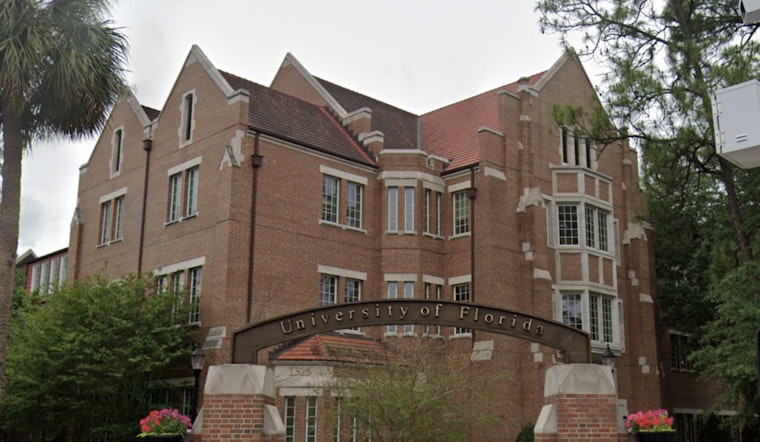
A fresh University of Florida study dug through thousands of online park reviews and came back with a blunt takeaway for Broward County: not all neighborhoods are getting the same kind of park experience. The green dots are there on the map, but the research finds big gaps in how people perceive quality, safety and the range of activities on offer. For residents, that means raw acreage is a weak proxy for whether a park actually serves community needs.
Study methods and scope
Using natural-language tools and machine learning, the research team pulled more than 60,000 park-related phrases and sorted 30,599 full reviews into different types of cultural ecosystem services, then mapped those patterns across hundreds of greenspaces, according to a paper in Ecosystem Services. The paper reports that the analysis identified 11 distinct cultural benefits, including aesthetics, recreation and relaxation, and then used spatial models to see which park features line up with those values. In practice, that lets planners compare not just where parks are located, but what people say they actually get out of them.
Researchers' take
"By applying AI to countless online reviews, we can now measure these cultural values and understand how park design and planning can be optimized for public wellbeing," Haojie Cao, the study’s lead author, told UF News. Senior author Jiangxiao Qiu describes the method as a kind of neighborhood-scale citizen science that lets planners hear directly from residents in their own words. The team presents the work as a practical, data-driven roadmap that can help officials upgrade parks that appear to deliver fewer perceived benefits.
Local numbers and coverage
Local coverage notes that the researchers initially scraped 69,084 reviews from Google Maps and TripAdvisor and found that those posts mentioned more than 450 of Broward’s roughly 639 parks, although sites with no reviews were left out of the analysis, according to Tampa Free Press. That uneven spread matters, since online activity can mirror neighborhood engagement. Some communities frequently post, rate and rave about their parks, while others barely show up in the digital record. The authors point out that a lack of reviews can itself signal unequal access or limited use.
Features that mattered
The parks that score highest for a mix of cultural benefits tend to be larger, have more tree cover and feature water, walking paths and visible wildlife, a summary from UF News explains. Those ingredients consistently line up with more varied and positive visitor experiences, from big family gatherings to quiet solo visits. The findings suggest that shade, biodiversity and breathing room often count just as much as formal facilities when people talk about what they value.
Why this matters for Broward
The peer-reviewed paper notes that review-based data can be skewed toward the people who choose to post online, so it should be paired with community outreach and on-the-ground surveys, and it also reports partial funding from the U.S. Department of Agriculture in its acknowledgements, per Ecosystem Services. For Broward officials, the message is to use AI to flag the gaps, then follow up with in-person engagement and targeted improvements in parks that scored low on perceived safety, amenities or accessibility. The authors argue that approach could help local governments stretch limited maintenance budgets where they will most improve real-world park experiences for residents.



