

























































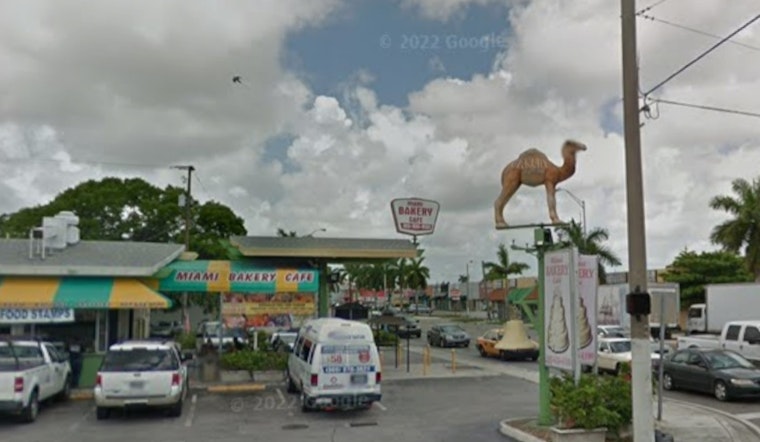
A beloved Allapattah bakery famous for its giant camel statue just took a hard hit from state food-safety inspectors, who ordered stop-sale and stop-use measures and made staff toss out trays of pastelitos along with other hot and cold items. The inspection temporarily sidelined several hot-holding and cold-storage areas, including the ice machine and walk-in cooler, and limited what the bakery could serve from its morning and hot-food counters while workers scrambled to fix the problems.
According to the Miami Herald, Florida Department of Agriculture inspector Lourdes Chantez found fried chicken, pork chops and other pork items holding internal temperatures of roughly 97°F to 115°F. Those readings fall well below the 135°F minimum for hot-holding, so the food was placed under stop sale. The report also cited cheesecake and flan in cold holding at about 55°F, above the 41°F limit for refrigerated foods. An ice machine streaked with "black, mold-like grime" drew a stop-use order, and roughly 90 ham pastelitos left uncovered and unattended were thrown out because of contamination concerns. The walk-in cooler was also tagged with a stop-use order after inspectors recorded an ambient temperature of about 47°F, which was not cold enough to keep food in the safe range.
Sanitation Problems Throughout The Kitchen
State inspectors documented a grab bag of basic hygiene issues in the kitchen. Employees moved between tasks without washing their hands, put on single-use gloves without washing first, and worked in food-preparation areas without effective hair restraints. Handwash sinks were blocked by a tall trash container and a rolling baking cart, making proper handwashing difficult. Inspectors also noted multiple baking trays with encrusted, burnt food buildup. On top of that, the bakery did not have a probe thermometer available to check internal food temperatures, which made safe temperature control even tougher.
Why Temperature Rules Exist
Hot foods are supposed to stay at 135°F or above, and cold foods at 41°F or below, to keep bacteria in check, standards laid out in the federal FDA Food Code. When food lingers in the "danger zone" between those temperatures, harmful pathogens can multiply quickly and increase the risk of foodborne illness. Inspectors rely on those temperature cutoffs to decide when to issue stop-sale or stop-use orders so that potentially hazardous foods and the equipment tied to them are pulled from service.
How The Bakery Can Respond
The Florida Department of Agriculture and Consumer Services typically requires food businesses to correct violations and show proof of those fixes before lifting stop orders, and its food-permit portal lets the public review inspection results and stop-sale records. For this bakery, that means cleaning or replacing the ice machine, repairing or adjusting refrigeration so the walk-in cooler can consistently reach safe temperatures, and documenting ongoing temperature checks and proper handwashing. Customers who are wary about when things are fully back to normal can review state inspection records or contact FDACS for updates on when all affected areas are cleared to return to service.
Neighborhood Fixture Put On Pause
The shop, sometimes listed simply as Miami Bakery, is a neighborhood standby known for flaky pastelitos and the large camel statue that regulars use as a landmark. Local restaurant guides such as The Infatuation have praised the bakery's pastelitos and hot-food counter, which helps explain why the stop-sale order is likely to hit morning commuters and nearby businesses especially hard. For now, the inspection record and state orders outline the steps the bakery must take before it can get all of its cases, counters and coolers fully back in action.





