

























































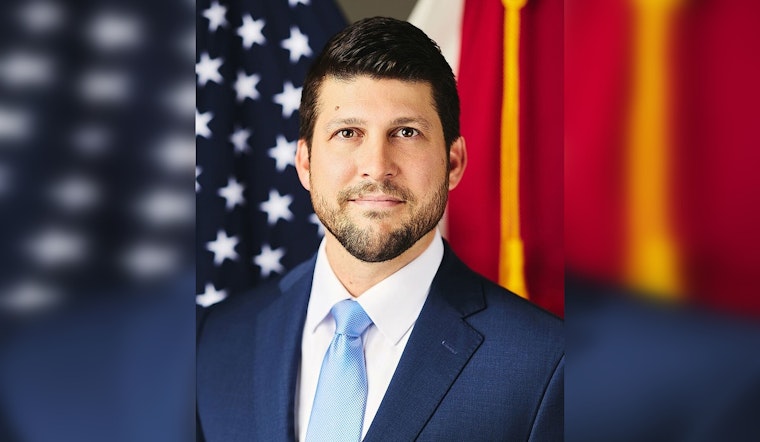
Florida Attorney General James Uthmeier has stepped into Bal Harbour’s long-simmering development feud, filing a friend-of-the-court brief on April 21, 2026, in support of the Whitman family’s plan to redevelop part of Bal Harbour Shops under the state’s Live Local Act. With that move, a neighborhood zoning spat has turned into a statewide showdown over building height, density and what counts as real workforce housing.
According to The Real Deal, Uthmeier’s brief argues the Live Local Act lets Bal Harbour Shops LLC sidestep local land-use restrictions if it meets the statute’s workforce housing requirements, and accuses the village of “systematically obstructing” a proposal that the state says checks the legal boxes. The Real Deal also reports that the developer has floated reserving roughly 240 apartments for households earning up to 120% of area median income for 30 years, and notes the village council has set a special meeting for April 27 to talk through a possible settlement.
Village officials, for their part, insist the developer’s paperwork is still not in order. They say the application is incomplete and that staff cannot launch a full technical review until missing documents are delivered. In an online project update, the village lists its completeness-review letters and stresses that without a full submittal, staff “is unable to provide additional details” about whether the proposal lines up with local ordinances.
Background: How the Fight Began
Whitman Family Development went to court in January 2024 after submitting its Live Local application, and that complaint sits in the public record. The filing, along with contemporaneous coverage by Commercial Observer, outlined an early vision to add hundreds of residential units plus a boutique hotel across the 18-acre luxury mall property.
What the Live Local Act Allows
The Live Local Act, adopted in 2023, lets qualifying projects skip local public hearings if at least 40% of units are locked in as workforce housing and also offers breaks on density and building height in commercial zones. The law’s overview lays out that basic framework. Developer materials and the project’s press release have described the Bal Harbour concept as roughly 600 units, with 40% reserved as workforce housing, along with a 70-room hotel, while earlier court filings listed slightly different numbers as the proposal evolved.
Why Tallahassee Got Involved
State lawyers say the attorney general’s brief is aimed at preventing cities and towns from leaning on administrative snags or retroactive zoning tweaks to derail projects that satisfy state rules. Local legal reporting notes that a judge denied a motion to dismiss Whitman’s lawsuit in 2024, keeping the case very much alive and positioning it as an early test of how far the state can go in preempting local home-rule powers on development. Industry coverage of that ruling recounted the court’s reasoning and the procedural steps that follow.
What’s Next
Bal Harbour council members are slated to review settlement options at the upcoming special meeting, weighing whether to cut a deal or let the courts continue to slug it out. A negotiated agreement could allow the project to advance on revised terms. If talks stall, the eventual court decision is likely to influence how easily other Florida municipalities can push back on Live Local projects.
Legal Implications
Attorneys watching the fight say the attorney general’s civilian filing has transformed what started as a village-level dispute into a broader clash over state housing policy and municipal control. A ruling that sides with the developer and the AG would clip local efforts to slow-walk or block Live Local developments. A ruling the other way would give cities and towns more confidence to rely on zoning tools and procedural challenges when they want to resist similar projects.





.jpg)