

























































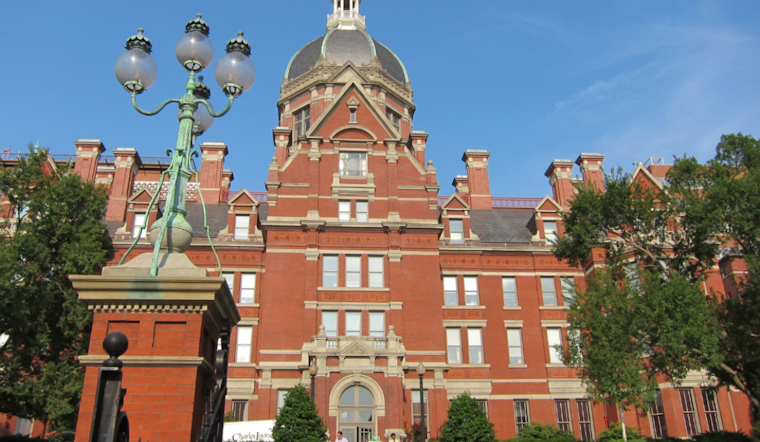
In a set of experiments that could shake up how doctors treat tuberculosis, Johns Hopkins researchers in Baltimore have tested a nasal DNA vaccine that helped infected mice clear TB bacteria faster, dialed down lung inflammation and stopped the disease from roaring back after antibiotics ended. Early work in rhesus macaques showed the same vaccine kicked the immune system into gear, giving scientists cautious hope that they may have a new add-on to standard drug treatment. For now, though, human trials are still on the horizon, not around the corner.
In a paper published Feb. 3 in the Journal of Clinical Investigation, the team describes a "fusion" DNA vaccine that links the dendritic-cell-targeting chemokine MIP-3α with the Mycobacterium tuberculosis stringent-response gene relMtb. When given alongside first-line TB drugs in mouse models, the vaccine shortened the time to a stable cure, boosted RelMtb-specific T-cell responses and improved outcomes in a model of drug-resistant disease, according to the study.
How the nasal shot targets persistent bacteria
The vaccine is delivered as a nasal spray, so immune cells are primed right where TB usually starts its attack, in the mucous membranes of the nose and airways. The MIP-3α component helps steer the antigen toward immature dendritic cells, the immune system’s professional messengers. In a university news release, Johns Hopkins Medicine quoted lead author Styliani Karanika saying the vaccine "helped infected mice clear the disease bacteria faster, reduced lung inflammation and prevented relapse after treatment ended." The same release notes that tests in nonhuman primates confirmed immune activation, a standard preclinical box that has to be checked before thinking seriously about human studies.
Why the timing matters
Tuberculosis is still a global heavyweight. The World Health Organization estimates that about 10.7 million people developed TB in 2024 and roughly 1.23 million people died that year. Drug-resistant strains are adding extra misery, making treatment more complicated and success less certain. The agency also reports that around one in four people worldwide carries a latent TB infection, and that 5 to 10 percent of them will go on to develop active disease at some point in their lives.
Next steps and funding
The Johns Hopkins group is careful not to oversell mouse and monkey data. Turning those results into a safe and effective vaccine for people will require formal toxicology work, dose-finding studies, and the usual regulatory gauntlet before any clinical trial can start. The journal article and the university release note funding from National Institutes of Health grants, internal Johns Hopkins awards, and other academic and foundation sources that are backing the next wave of preclinical research. Johns Hopkins Medicine says collaborations are already in motion to fine-tune how the vaccine is delivered and how immune responses are measured.
What it could mean
If the approach holds up in people, a therapeutic vaccine that speeds cure or prevents relapse could trim treatment times and blunt the growing impact of drug-resistant TB, which currently stretches regimens, inflates costs, and piles on side effects. Experts are quick to point out that success in mice and macaques is no guarantee in humans, and that any real public-health payoff will depend on pairing new tools like this with better diagnostics, more effective drugs, and stronger health systems. For now, the study offers a fresh, targeted strategy against a pathogen that has been outmaneuvering global TB control efforts for generations.



