

























































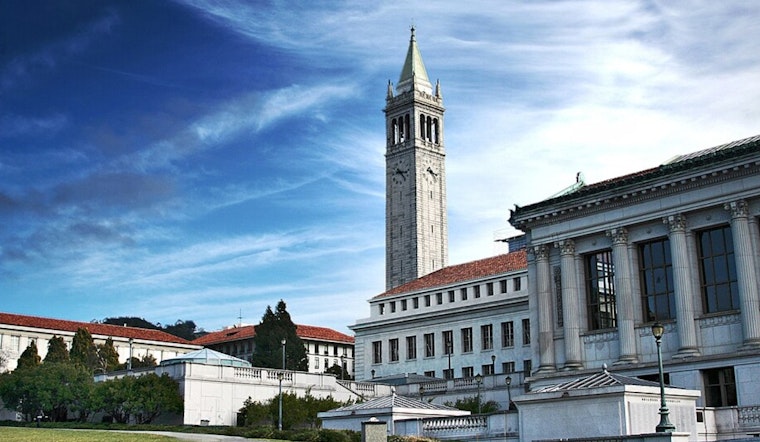
Construction work at a UC Berkeley site came to a halt on Wednesday after crews uncovered human skeletal remains. The Alameda County Coroner’s Office says the bones are believed to be historical Native American remains and are not connected to any recent crime. UC Berkeley says its Governmental and Community Relations office is now working with the California Native American Heritage Commission and will follow the commission’s process for identifying the Most Likely Descendant.
Officials’ account
According to NBC Bay Area, campus personnel reported the discovery, and the coroner’s initial review led officials to classify the remains as historical rather than recent. The university told the outlet it will “follow the procedures of the Most Likely Descendant as designated by the Native American Heritage Commission” while coordinating with state authorities on what it describes as respectful next steps.
How the find is handled
Under state law and campus environmental rules, any time human remains are uncovered during construction, work has to stop and the county coroner must be notified. If the coroner determines the remains are Native American, the California Native American Heritage Commission is called in to identify a Most Likely Descendant for consultation. Those protocols are laid out in the University of California’s environmental review documents, including the UC Regents CEQA findings, which spell out the coroner referral and MLD designation process.
Berkeley’s fraught history
UC Berkeley has long been the focus of tense debates over ancestral remains and repatriation. Campus reporting and state reviews have found that the university holds thousands of ancestral Native American remains and has faced criticism for slow returns. Berkeley News reports that the campus holds more than 9,000 ancestral remains and has launched initiatives with Ohlone leaders, while coverage in outlets such as SFGATE documents statewide pressure on universities to accelerate repatriation.
What comes next
From here, the coroner and the Native American Heritage Commission are expected to notify tribes on the commission’s contact list. A designated Most Likely Descendant is then given the chance to inspect the remains and recommend what should happen next, which can include reburial or transfer. The commission’s internal designation memo, cited as the NAHC MLD procedures, along with campus mitigation measures, outlines how this consultation process can affect construction schedules while tribes and the university work out a respectful plan for disposition.
Local context
For many Berkeley residents and preservation advocates, the discovery is not just a legal trigger but a cultural alarm bell. The city’s shellmounds and other Indigenous sites near campus have been flagged for years, and community groups say any unearthed remains carry deep significance. People’s Park organizers and local preservationists have previously raised concerns about nearby registrations and pushed for careful archaeological review, which is part of why officials now stress consultation with the Native American Heritage Commission and descendant communities as this latest case moves forward.





