

























































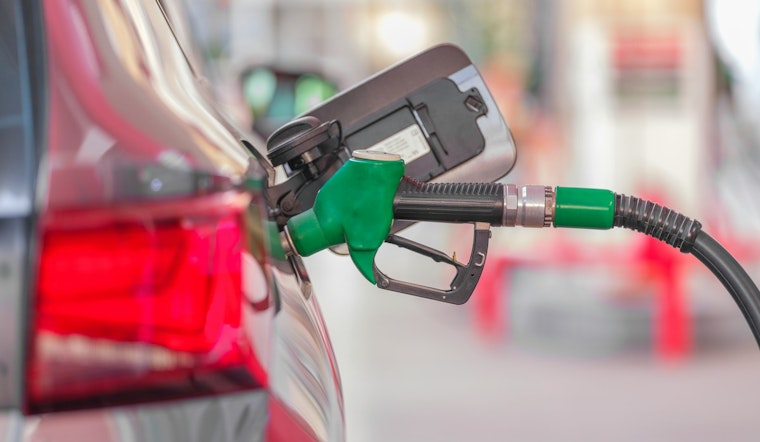
Hoosier drivers are getting a short break at the pump after Governor Mike Braun ordered a 30-day suspension of Indiana’s 7% sales tax on gasoline. The holiday takes effect immediately and, for now, applies only to gasoline, not diesel. Braun said the move is aimed at quick relief for drivers and left the door open to extending the pause after 30 days if market conditions call for it. He also asked the attorney general to crack down on price gouging and warned that state officials will be watching stations to make sure the savings actually show up on receipts.
According to a state release and coverage by WISH-TV, the suspension lifts the sales-tax portion of the pump price for 30 days but does not touch the fixed, per-gallon excise taxes. WISH-TV reports that Braun cautioned it could take “a few days” for the change to ripple through station software and price boards, so drivers should expect a lag as systems are updated. The governor’s office said it has asked the attorney general to investigate any alleged price gouging and will use state agencies for spot checks at the pump.
The Indiana Department of Revenue oversees gasoline-tax rules and now has to spell out technical guidance for retailers and wholesalers on how to handle collection and reporting during the holiday, a process that is more paperwork than magic wand. The department’s published notices walk through how gasoline taxes are calculated and adjusted. Retailers usually wait for formal DOR instructions before reprogramming point-of-sale systems and pump signage, which helps explain state officials warning that the tax break might not appear instantly everywhere. Because Indiana’s fuel tax structure mixes per-gallon excise charges with a sales-tax component, the state has also stressed that diesel is not included in this suspension.
What drivers should expect
In the short term, savings will likely vary station by station and depend on how quickly retailers retool their pricing. Analysts say drivers should not assume every cent of the tax cut will show up at the pump. Policy experts have long argued that temporary gas-tax holidays are a blunt tool; suppliers and retailers can absorb part of the cut instead of passing it fully to customers in the form of per-gallon discounts. The Center on Budget and Policy Priorities has noted that states cannot really guarantee full pass-through and that these suspensions are notoriously difficult to police in practice.
Road fund tradeoffs
The pause also comes with near-term budget headaches for roads and bridges. Modeling shows even brief suspensions can drain state transportation funds by hundreds of millions of dollars. The Penn-Wharton Budget Model estimates that a two-month, statewide suspension would shave about $0.39 per gallon off Indiana gas prices while costing roughly $392 million in lost revenue. It is a reminder that helping drivers today can tighten the screws on highway budgets and local projects tomorrow. That analysis also assumes incomplete pass-through and accounts for exemptions that soften the overall fiscal hit.
Price-gouging and where to complain
Braun has asked the attorney general’s office to ramp up enforcement and urged Hoosiers to report stations that seem to pocket the tax break or hike prices without a clear explanation. Drivers who suspect overcharging can file complaints with the Indiana Attorney General’s Office, and the governor’s team says it will coordinate with state agencies to follow up. Officials say routine monitoring, along with consumer complaints, will help determine where to investigate.
For now, the advice from the state is simple: watch your receipts, give stations a little time to update their systems, and flag any suspicious pricing. Braun is selling the move as fast relief for motorists, while analysts say the real story will be whether drivers actually see the savings and how Indiana makes up any shortfall for roads and infrastructure once the holiday is over.



