

























































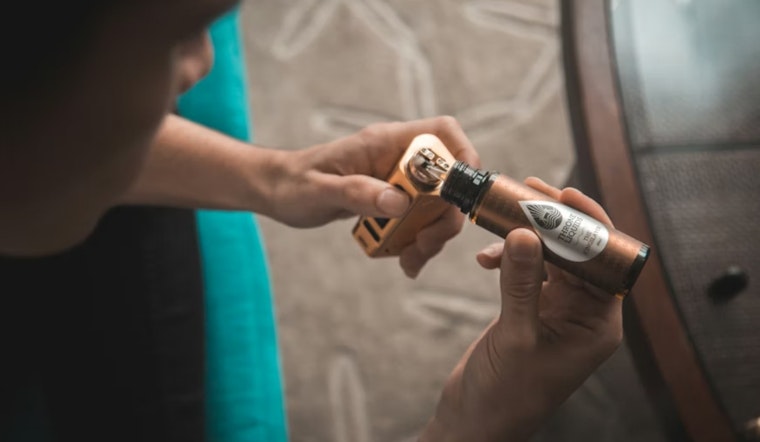
California communities that cut off flavored tobacco sales are seeing fewer kids vape, and there is no sign teens are pivoting to cigarettes instead, according to a massive new analysis by UC San Diego researchers. Drawing on statewide student survey data from more than 2.8 million middle and high schoolers, the team found modest but steady drops in youth e‑cigarette use where flavor bans were on the books. For San Diego, home base for the lead authors, the numbers suggest local rules and the newer statewide law may actually be nudging teen vaping in the right direction.
Study Method and Headline Numbers
The findings, published April 10 in JAMA Health Forum, are based on 2,805,708 responses to the California Healthy Kids Survey from 2017–2022. Researchers compared student reports of tobacco use in places that had local flavored‑tobacco bans with those that did not.
They found current e‑cigarette use of 6.2% in jurisdictions with flavor bans, compared with 7.7% in areas without such rules, an estimated average reduction of about 2.4 percentage points. The analysis also reported no meaningful association between flavored‑tobacco bans and youth cigarette smoking, undercutting a common fear that kids would swap one nicotine source for another.
The paper notes that the largest drops in youth vaping tended to show up several years after a flavor ban was adopted, which suggests the impact of these policies can build over time rather than appearing overnight.
What the Researchers Say
“Our findings suggest that local flavored tobacco bans can be an effective strategy for reducing youth e‑cigarette use,” said Eric Leas, the study’s senior author, who also pointed to how enforcement and policy design can influence results on the ground.
First author Giovanni Appolon called the patchwork of local rules a “valuable window” for watching how flavor restrictions reshape teen behavior across multiple years. The UC San Diego team described the findings as encouraging but said officials should keep tracking the data instead of taking a victory lap, according to UC San Diego.
How the Statewide Ban Fits In
Many cities in California were out in front on flavored‑tobacco restrictions long before the state took up the issue, so these local bans effectively served as a test run. Voters later weighed in statewide with Proposition 31, which upheld a prohibition on most flavored tobacco sales, including flavored e‑cigarettes. The measure passed in November 2022 and took effect in 2023.
The official California Secretary of State Statement of Vote shows 63.4% of voters backed Proposition 31. Local coverage from NBC 7 San Diego has already been parsing what the UCSD results could mean for counties and cities across the state that are now operating under the same statewide rules.
Fine Print and Caution Flags
The authors note that California is not exactly neutral ground when it comes to tobacco control. The state already has relatively low youth smoking rates and a long history of aggressive anti‑tobacco policies, which could limit how neatly these findings apply to other parts of the country.
They also acknowledge that several wild cards could be in play, including how consistently local rules are enforced, how retailers respond and what other prevention programs are rolling out at the same time. The JAMA Health Forum article warns that residual confounding from unmeasured, time‑varying factors is still possible and urges readers to keep the magnitude of the estimated effect in perspective.
Because the analysis stops in 2022, before the statewide ban had much time to take hold, the researchers say longer-term surveillance will be needed to see the full impact of Proposition 31.
What Comes Next
The study’s authors recommend that officials keep a close eye on youth tobacco trends, step up clarity and consistency around enforcement of flavor‑sale restrictions and continue to compare outcomes in different policy environments. For San Diego and other California communities, that means tracking how well retailers comply and watching future rounds of student surveys to see whether teen vaping continues to fall or simply levels off.
For more details on how the team interpreted its results, readers can review the full statement from UC San Diego. Those who want to dive into the statistical methods and tables can turn to the original study in JAMA Health Forum.



