

























































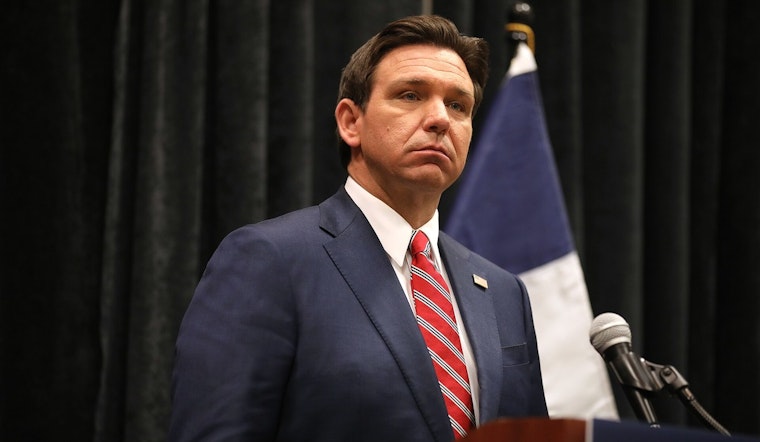
Gov. Ron DeSantis is putting the pedal down on Everglades restoration, rolling out a new initiative that state officials say will fast-track big-ticket projects meant to push cleaner water south. The plan focuses on speeding construction of the Everglades Agricultural Area reservoir and related pump stations, while cutting back on polluted discharges into fragile coastal estuaries. It lands just as regional water managers gear up for the spring construction season and a new round of federal-state coordination on the sweeping Comprehensive Everglades Restoration Plan.
What The Governor Said And The Official Line
DeSantis first teased the move in a brief post on X on April 13, then his office followed up with a detailed statement outlining a new memorandum of agreement with the U.S. Department of the Army. According to the governor's office, the agreement clears Florida to build pump stations and other supporting pieces of the federal plan so that work can wrap up years sooner than under the existing federal schedule.
The Hardware: Pumps, Reservoirs And Big Numbers
At the center of the push is the Everglades Agricultural Area Reservoir and its web of connected infrastructure. The South Florida Water Management District says the package will be able to store about 78 billion gallons of water, then send that cleaned water south toward Everglades National Park and Florida Bay. SFWMD notes that the inflow pump station will rely on multiple high-capacity pumps, with the horsepower to move roughly 3 billion gallons a day, and treatment wetlands designed to strip out nutrients before water hits coastal estuaries. Officials say that combination is expected to cut both the frequency and the punch of damaging discharges that have hammered the Caloosahatchee and St. Lucie estuaries.
Money And Timeline
The governor’s "Floridians First" budget proposal is loaded with Everglades cash. State budget documents outline about $1.4 billion for restoration work in fiscal year 2025-26 and another $810 million in the 2026-27 plan. Per the governor's office, that funding is meant to cover the remaining state share of the Central Everglades Planning Project and to help complete key pieces of the EAA effort ahead of earlier timelines. Conservation advocates have largely cheered the big numbers. The Everglades Foundation called the recommended funding level an important step to keep restoration moving on schedule.
Experts And Critics Urge Clarity
Not everyone is ready to declare victory. Independent reporters and some scientists say the plan opens up thorny questions about how the faster pace will actually work, including who will staff the construction surge, how it will be paid for in practice and how federal oversight will be preserved. Public radio coverage has highlighted those concerns, quoting environmental law specialists who argue that taking on work normally handled by the U.S. Army Corps of Engineers requires clear cost-reimbursement arrangements and strong monitoring. As WLRN reported, advocates are pushing for more transparency on detailed schedules, full costs and long-term operating plans that will ultimately determine whether the projects deliver durable benefits.
What South Florida Could See
State and regional officials say residents from Palm Beach County all the way down to the Keys could eventually see fewer damaging releases, stronger seagrass beds and more stable freshwater supplies as new storage and treatment capacity comes online. A recent environmental report from the South Florida Water Management District notes progress on treatment wetlands and several completed projects that have already reduced nutrient loads in local canals and rivers, while also warning that steady funding and careful day-to-day operations are crucial if construction wins are going to translate into long-lasting ecological gains. For now, the governor’s announcement locks in a more aggressive state role in a costly and fast-moving restoration drive that both supporters and skeptics plan to watch closely.
State agencies say more specifics on individual projects and schedules will be aired at upcoming SFWMD meetings and in Capitol briefings in Tallahassee. Those next steps will be scrutinized by water managers, tribal leaders and coastal communities that rely on these ecosystems for drinking water, fishing and broader livelihoods.



.jpg)