

























































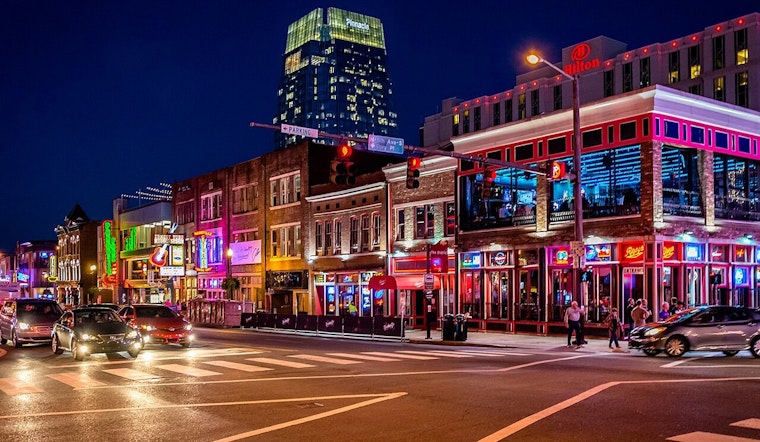
The Nashville Department of Transportation (NDOT) is getting ready to corral the nightly curbside scramble downtown, announcing plans for designated rideshare pickup zones aimed at cutting congestion and boosting safety along some of the city’s busiest streets.
The marked curbside spaces will pull app-based pickups out of travel lanes and into clearly signed areas, with the goal of making late-night and event-day loading a lot less chaotic. Instead of drivers stopping wherever they spot a waving rider, pickups will be funneled into specific curb zones.
As reported by WKRN, NDOT plans to coordinate with rideshare companies and rely on in-app directions plus on-the-ground signage so riders are sent to set pickup points rather than flagging cars mid-block. WKRN notes the new zones will build on earlier testing downtown.
Background: The TPAC Pilot
NDOT first tried the concept during a four-week pilot outside the Tennessee Performing Arts Center from Jan. 28 to Feb. 23, 2025, converting metered parking on Deaderick Street into two marked pickup and drop-off zones, according to the Nashville Department of Transportation. The agency said the test run was used to collect data and craft a Rideshare Framework Guide tied to the broader Connect Downtown action plan.
Local Reaction And Next Steps
Local coverage noted that the TPAC experiment drew attention from both venue operators and rideshare drivers, and the pilot was later extended so the city could tinker with exactly where the zones sat on the block, per the extension through 2025. City officials say the broader downtown rollout will lean on those lessons, with block-by-block placement guided by the pilot data.
How The Zones Will Work
NDOT says the new pickup spots will be clearly signed and backed up by NDOT Code Enforcement. During events, staff will put out cones and temporary lane controls to keep traffic flowing and passengers from darting into moving lanes, according to the department’s guidance. The pilot results will also help the agency lock in where similar zones should be located across the downtown core.
What Riders And Drivers Should Know
Riders will be expected to follow the pickup location shown in their app and walk to the marked curb areas, rather than calling drivers over to side streets or traffic lanes. Drivers, in turn, are being urged to avoid stopping in active travel lanes while they hunt for their passengers.
With more people clustered around specific pickup spots on show nights, folks heading out after performances should plan for heavier foot traffic near the zones and budget a little extra time while the new system gets up to speed.
What To Watch Next
If the downtown rollout reduces backups the way the pilot data suggested, NDOT could formally fold a rideshare-zone playbook into the Connect Downtown plan and bring similar designated pickup lanes to more entertainment corridors around the urban core. Expect more details once the city publishes official block-by-block pickup maps and outlines the enforcement windows.





_lights.jpg)