

























































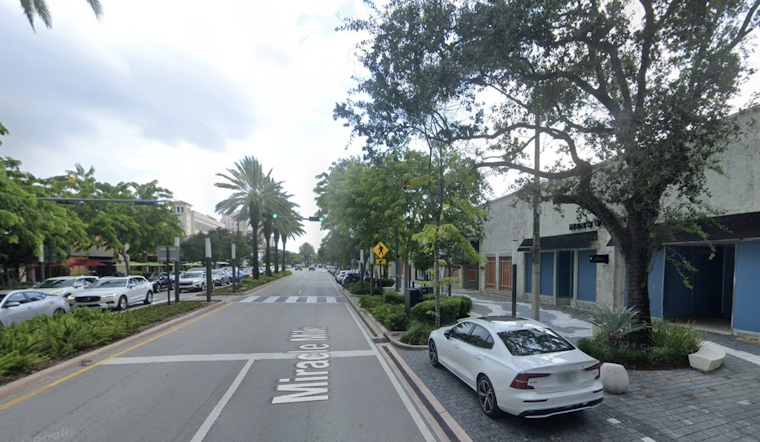
Stroll down Miracle Mile in Coral Gables right now and it is hard to miss the dead zones. Long runs of darkened storefronts sit between gleaming bank branches and busy cafés where independent boutiques, jewelers and gift shops once filled in the gaps. What used to feel like a quirky Main Street now reads more like a financial corridor with a few survivors hanging on between the logos.
Local business owners and city leaders say that hollowed-out feeling is not a mystery. It comes from a mix of economic pressure, changing shopping habits and a tenant roster that increasingly tilts toward banks and national chains instead of small merchants. As reported by the Miami Herald, Jorge L. Arrizurieta, president and CEO of the Coral Gables Chamber of Commerce, points to rising rents and a landlord preference for deep-pocketed tenants as a big reason for the empty windows. Independent retailers often get priced out of prime corners while larger institutions lock in long, stable leases.
City Policy And A Chamber Push
City officials are trying to speed up the process for the businesses that do want to come in. In 2025, the commission formalized a Permitting Assistance Program that is designed to offer concierge-style help, faster reviews and better coordination between departments so new tenants can open more quickly, according to city meeting documents. City of Coral Gables records outline that move.
At the same time, the Coral Gables Chamber is working the sidelines, trying to keep the Mile and nearby blocks in the spotlight. The group runs year-round events, networking sessions and training meant to pull customers downtown and help members launch or grow their businesses. Those efforts, ranging from mixers to community promotions, are detailed in Coral Gables Chamber materials.
Pop-Ups, Board Games And Viral Shops
On the more creative end, civic leaders are experimenting with anything that might get people walking the sidewalks again. A limited-edition Gables-Opoly board game, for instance, debuted at Giralda Plaza on March 6 and sold out quickly, turning a classic family-night staple into a marketing tool for neighborhood businesses. Community Newspapers covered the launch and the push to keep downtown top of mind for shoppers.
The city has also tested short-term fixes on the street itself. A pop-up storefront pilot on the 300 block tried to plug empty spaces with temporary concepts in order to keep the Mile feeling active, especially as key shopping weekends approached. Gables Gazette reported on that effort to keep pedestrians engaged even while long-term leases lag.
Every so often, one buzzy shop cuts through the gloom. When ScandyCandy opened on the Mile in August, the Swedish candy spot drew long lines and early sell-outs, a reminder that social media can still move bodies onto the block when the concept hits. AOL documented the sugar-fueled surge.
What’s Next For The Mile
Brokers and civic leaders say fixing Miracle Mile for the long haul will take more than a few pop-ups and novelty games. They talk about more flexible leasing, steady programming to keep foot traffic up and property owners willing to trade a bit of rent for the stability of filled storefronts.
The city and the chamber already have some tools in play. Whether those efforts translate into a fully revived retail strip will depend on how landlords, merchants and shoppers line up on one basic question: do they want a street built around experience-driven, local retail or one anchored by the safest, highest-rent tenants that can afford to leave the lights off a little longer?





