

























































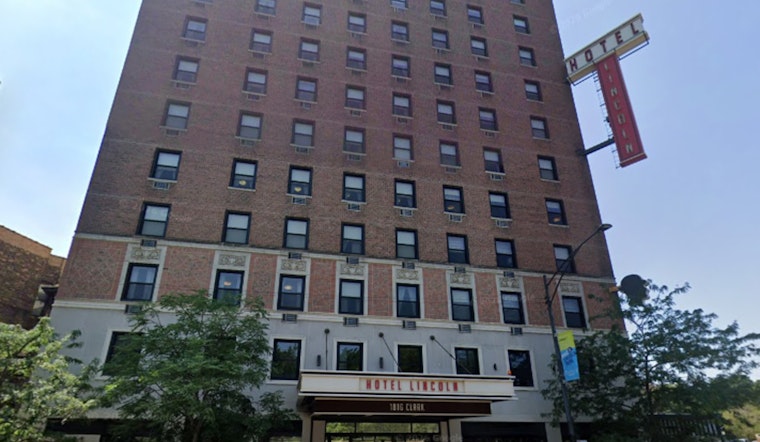
The debt behind one of Lincoln Park’s most recognizable boutique hotels is suddenly on the watch list. An affiliate of the Nakash family has allegedly defaulted on a $35 million mortgage tied to the Hotel Lincoln, the 184-room property that looks directly out at Lincoln Park. The loan hit its March 6 maturity date without being paid off and has now been transferred into special servicing, putting the note under tighter scrutiny from bondholders and the special servicer.
Loan Moves Into Workout Territory
According to The Real Deal, special servicer LNR Partners has issued a pre-negotiation letter to representatives of the Nakash affiliate and is considering a three-year extension the borrower has requested. Loan-level data from Morningstar Credit reviewed by the outlet shows the debt is now labeled a non-performing, matured balloon, a classification that typically signals a looming workout or potential sale of the note.
A Boutique Flagship In A Tight Spot
The Hotel Lincoln, at 1816 N. Clark Street, operates under the JdV by Hyatt flag and is listed as an approximately 184-room property on the city’s tourism website. The Nakash family, best known for Jordache Enterprises, bought the hotel in 2016 in a deal reported at about $70 million. Last year, the owner brought in Pivot, part of Davidson Hospitality Group, to manage the property as part of an operational repositioning effort.
Hotel Owners Squeezed By Rates And Maturities
The move into special servicing lands in the middle of a rough lending climate for hotels, where maturing loans and higher interest rates have pushed owners toward extensions, restructurings or distressed sales. The Real Deal points to discounted sales nearby and reports that Nakash also defaulted on a $28 million loan tied to Miami Beach’s South Beach Breakwater Hotel in October 2025, highlighting broader pressure on the family’s hospitality portfolio.
What Special Servicing Really Means
When a CMBS loan is transferred to special servicing, the special servicer gains broad authority to negotiate maturity extensions, solicit bids from potential buyers, accept offers or pursue foreclosure, all while collecting workout and liquidation fees intended to protect certificateholders. A plain-language explainer and sample pooling-and-servicing agreements spell out those tools and the fee structures that can apply throughout a workout process.
Whether LNR signs off on the three-year extension the borrower wants or instead moves to market the loan will determine if the Hotel Lincoln sidesteps a more aggressive enforcement move. Any outcome, from a simple maturity push to a sale, is likely to be closely watched by Chicago hotel owners and investors as another test of how higher borrowing costs are reshaping the city’s hospitality landscape.





