

























































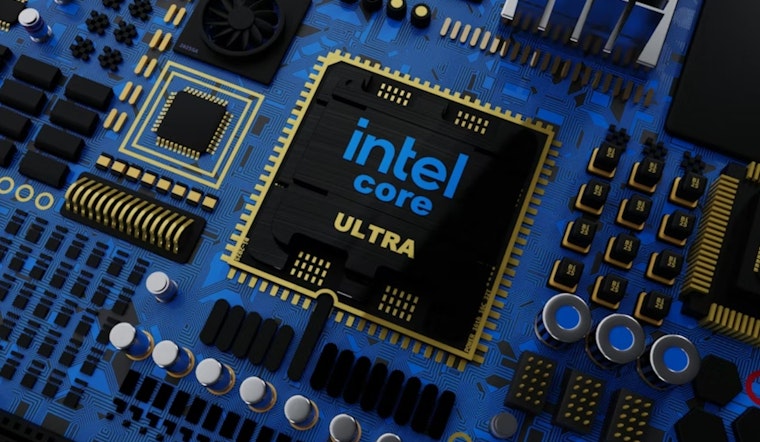
Intel has quietly locked in a multiyear pact to feed processors and help co-develop custom data-center chips for Google Cloud, while also hitching itself to Elon Musk’s ambitious Terafab project. It is a fast one-two punch of partnerships for the Santa Clara chipmaker as it tries to claw back ground in AI hardware and large-scale manufacturing after a year of restructuring.
What the Google Deal Covers
As reported by Silicon Valley Business Journal, the multiyear agreement calls for Intel to supply processors across Google Cloud’s infrastructure and to co-develop custom chips tuned for data-center workloads. The report notes that the work spans multiple generations of Intel Xeon processors and is aimed at boosting performance, energy efficiency and operating costs inside Google’s global fleet of data centers.
Intel Joins Musk’s Terafab Effort
Intel confirmed it has signed on to Musk’s Terafab initiative, a Tesla/SpaceX/xAI effort to build vertically integrated chip factories, and said it will help refactor silicon fab technology. As reported by Bloomberg, CEO Lip-Bu Tan described the collaboration as a step change in how advanced chips and packaging are produced.
What This Means for Cloud Customers
Together, the announcements highlight Google’s push to diversify its silicon suppliers and lock in long-term capacity for AI-heavy workloads. As reported by Reuters, Broadcom recently signed its own long-term deal with Google to develop future generations of AI chips, a clear signal that Google is pursuing a broader multi-vendor strategy across its cloud hardware stack.
Intel’s Strategic Bet
For Intel, the pair of deals advances a strategy under CEO Lip-Bu Tan to lean harder into foundry services, packaging work and custom silicon since he took the helm last year. Intel’s public statements and newsroom posts have stressed putting its design, fabrication and packaging capabilities to work at scale, capabilities the company says will be central to the Terafab effort, as described by Intel Newsroom.
Whether the mix of hyperscaler partnerships and a Musk-backed manufacturing push actually turns the tide for Intel will come down to execution: delivering chips that beat incumbent options on cost, power and performance. For Silicon Valley readers, the message in these back-to-back announcements is hard to miss: the region’s heavyweight hardware players are still very much in the driver’s seat for AI infrastructure’s next phase.





