

























































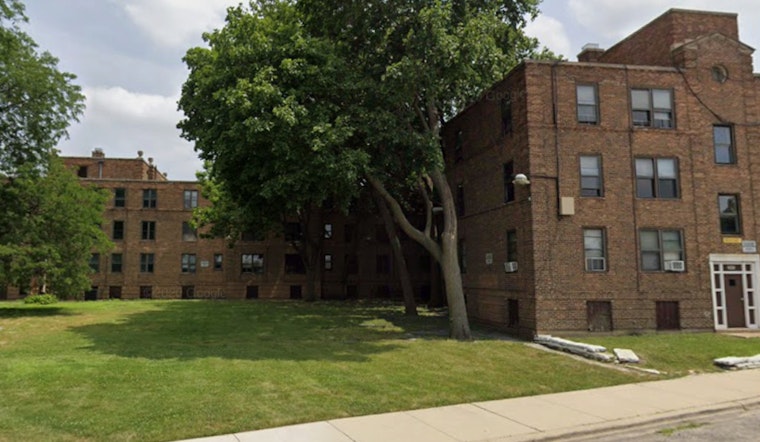
After more than two decades of starts and stops, the long-planned redevelopment of the vacant Lathrop Homes along the North Branch of the Chicago River is finally set to move. City and housing officials say the shuttered south side of the campus, scarred by boarded windows and graffiti, will get a mix of restored rowhouses and new construction. The decision follows a series of funding votes and agency approvals that local advocates have spent years both pushing for and protesting.
CHA signs off on Phase 1C
At its January meeting, the Chicago Housing Authority Board of Commissioners approved an additional $4 million in CHA loan funds to complete Phase 1C of the Lathrop redevelopment, which the agency says will deliver 309 new and renovated mixed-income rental units across seven preserved buildings and one new construction building, according to the Chicago Housing Authority. The agency said rising construction costs created a financing gap and that financial closing and construction are anticipated in the summer of 2026. So far, the multi-phase project has restored nearly 488 units and returned 179 CHA subsidized homes to the campus, the agency adds.
City money helps bridge the gap
The City Council expanded the Diversey/Chicago River tax increment financing district, boosting the pool for Lathrop’s south campus to about $60 million, a change intended to help cover the roughly $200 million cost of Phase 1C, as reported by Block Club Chicago. The TIF amendment is intended to direct money toward retrofits and, in some cases, demolition to make way for rebuilt housing and riverfront access. Officials say the city, CHA and federal credits will be combined to close the financing shortfall created by higher construction prices.
Neighbors say promises remain unkept
Neighbors and housing advocates have pressed the CHA for years, arguing the agency moved too slowly and left buildings south of Diversey to deteriorate. Protesters have marched and organized under groups like Preserve Lathrop Homes, and Block Club Chicago quoted CHA Commissioner Francine Washington saying, “I keep saying something is wrong with this picture, and I’m not going to keep saying it.” The conditions at the shuttered south campus, including boarded windows and graffiti, were documented in a recent CBS News Chicago report, and those images have sharpened calls for faster action.
Who’s building it and what to expect
The Lathrop Community Partners, a team led by Related Midwest with nonprofit partner Bickerdike and Heartland Alliance, remains the development partnership charged with carrying out the multi-phase plan, according to Bickerdike Redevelopment Corporation. Local construction coverage says Phase 1C will rehabilitate seven historic multifamily buildings, demolish a handful of others, add a new mid-rise structure and convert the old powerhouse into commercial space, as reported by Chicago Construction News. Designers on the project include bKL Architecture and others, and the site plan is meant to reopen nearly a half mile of riverfront to public access.
What happens next
With CHA board approval and the city’s TIF amendment in place, officials expect financial closing and a groundbreaking in Summer 2026, with Phase 1C work aiming for completion by the end of that year, CHA materials say. Reporting by The Real Deal notes the phase will deliver 309 units total, roughly 213 of which are expected to be public housing or affordable units, a split advocates have watched closely. If the schedule holds, hundreds of long empty apartments on Lathrop’s south campus would begin returning to use within months, altering a riverfront stretch that has sat largely idle for years.



