

























































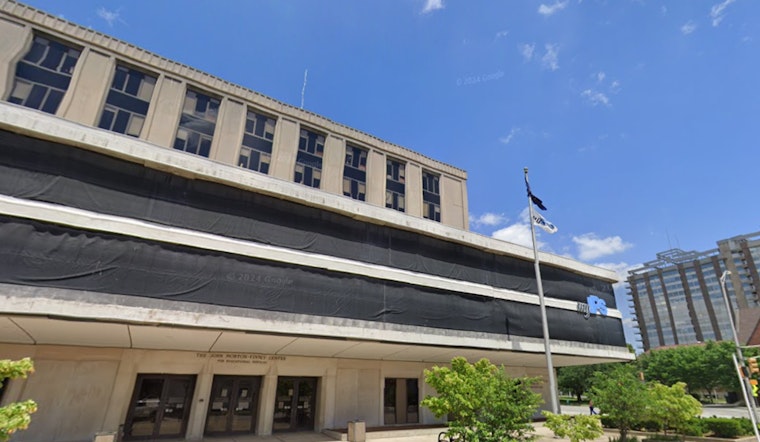
The mayor-appointed Indianapolis Public Education Corporation will convene its inaugural meeting Tuesday at 4 p.m. in Room 221 of the City-County Building, stepping formally into operations inside the Indianapolis Public Schools boundary. The nine-member panel is expected to move quickly on a high-stakes question: whether to place an IPS operating referendum on the November ballot. The corporation is charged with overseeing finances, facilities and transportation for both district and charter schools located within the IPS footprint.
The session will be livestreamed on the city’s government access Channel 16. The board was created by state lawmakers under House Enrolled Act 1423 to govern services for nearly 43,000 students in the IPS boundary. One of its first major votes is expected to be on whether to send a new operating referendum to voters, a decision state law requires by June 30. IPS projects ending the year with roughly a $40 million cash shortfall, and district leaders have said staff and program cuts are already underway, according to WFYI.
Who’s on the board
Mayor Joe Hogsett named nine members on March 31, aiming to split representation among IPS commissioners, charter leaders and community voices. The appointees include IPS commissioners Hope Duke Star, Ashley Thomas and Deandra Thompson; charter leaders David Harris, who will chair the corporation, Janet McNeal and Dexter Taylor; and community representatives Patricia Castañeda, John R. Hammond III and Edward Rangel, as reported by Chalkbeat.
In other words, the panel is a mix of current IPS leadership, charter operators and civic insiders who will now help steer big-money and big-impact decisions for the city’s schools.
What’s at stake: money, buses and school closures
House Enrolled Act 1423 hands the new corporation authority to levy property taxes, issue bonds and set the rules for how those levies are distributed, shifting significant fiscal control away from the elected IPS board. The law also directs the corporation to craft a unified transportation plan, manage school property and create a single performance framework that could lead to the closure of chronically low-performing or inefficient buildings.
As outlined in House Enrolled Act 1423, some operational powers kick in this year, while control over property and transportation is phased in through the 2028-29 school year. For a board that has not yet held its first gavel tap, it is a sprawling portfolio.
Critics and supporters
Opponents, including local Democrats, parents and some IPS advocates, have blasted the plan as a handoff of taxing authority to an unelected body and branded it “taxation without representation,” per reporting by Chalkbeat. The political strain has already shown up on the elected IPS board: commissioner Gayle Cosby resigned amid the dispute, a rupture previously detailed in Gayle Cosby Quits Indy School Board.
Supporters, including advocacy group Stand for Children, argue the overhaul will expand access to buses and level the playing field on resources between district and charter schools, according to a statement from Stand for Children Indiana. Backers see the corporation as a way to untangle years of tension over who gets what, and how, within the IPS boundary.
How to follow the meeting
The board meets at 4 p.m. Tuesday in Room 221 of the City-County Building, and the public can tune in via the livestream on government access Channel 16, according to WFYI. Observers will be watching to see whether the panel moves to place an operating referendum on the November ballot and how members confront the district’s immediate budget shortfall.
For a first meeting, it is not exactly a light agenda.



