

























































Memphis is trying to turn trees into paychecks.
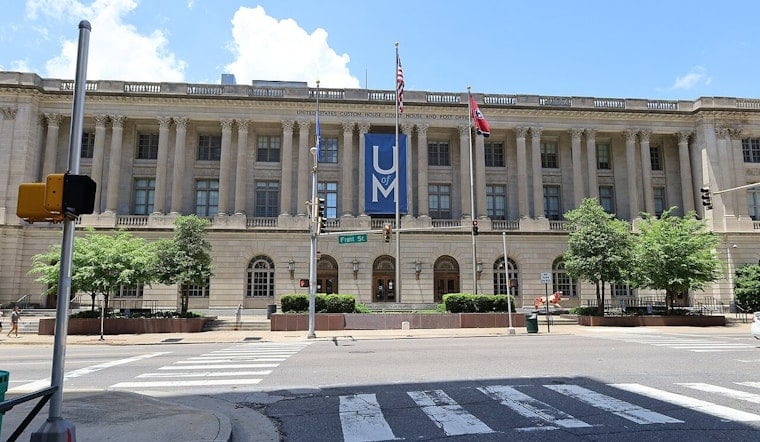
The University of Memphis hosted a daylong Timber Talks symposium on Friday that officially launched the Tennessee Timberworks collaborative, a Memphis-led push to link research, industry, and design around mass timber. Faculty, researchers, and industry leaders packed the event to talk about how engineered wood could reshape both Tennessee’s economy and its skyline, at a time when forest products still anchor jobs in many rural communities.
According to a post from the University of Memphis, the Timber Talks event was organized by the university’s Acre Institute and its Division of Research and Innovation in partnership with the Tennessee Department of Agriculture. The post notes that the new Tennessee Timberworks collaborative is designed to advance research across the full timber lifecycle, from forest management through design, construction, and community impact. The stakes are sizable: a report by the University of Tennessee Institute of Agriculture estimates the forest products industry supports about 85,000 jobs and contributes roughly $21 billion a year to Tennessee’s economy.
What Is Tennessee Timberworks?
"Focused on advancing research across the full timber lifecycle," is how the university summed up Tennessee Timberworks in its social media announcement. The University of Memphis says organizers plan to pilot research projects, convene industry partners, and map how Tennessee hardwoods, sawmills, and fabricators could feed local mass-timber supply chains.
If those pilots pan out, the collaborative aims to move toward demonstration projects that prove more of the value can stay in-state instead of shipping higher-grade logs and lumber elsewhere and watching other regions cash in on the manufacturing.
Why Mass Timber Matters
Mass timber is having a moment nationally, and Tennessee clearly wants in. Research cited in an MDPI review shows more than 1,700 mass-timber projects in the United States had been completed or were in development by 2023, with updated building codes and fire-science findings clearing the way for taller wood buildings.
Industry coverage from Bluebeam highlights how code shifts, off-site manufacturing, and carbon accounting are nudging developers to treat engineered wood as a serious rival to concrete and steel rather than a niche, boutique option.
What That Could Mean For Tennessee
Tennessee’s reliance on hardwoods both complicates the picture and opens the door. The University of Tennessee Institute of Agriculture study notes that many of the state’s sawmills are tightly linked to global markets and that roughly half of higher-grade hardwood lumber is exported. That suggests local fabrication capacity would need serious investment before Tennessee could reliably supply domestic mass-timber panels and systems.
The same data set lays out export patterns and product mixes that will likely determine where new money and training are most needed. If fabrication, engineering, and workforce development all scale up, advocates say Tennessee could keep more manufacturing jobs close to home while adding buildings that lock away carbon and pump new spending into local economies.
What Happens Next
Organizers say Tennessee Timberworks will follow Timber Talks with workshops and targeted pilot projects focused on workforce training, supply-chain mapping, and demonstration builds that push on current assumptions about design, codes, and manufacturing.
The collaborative plans to seek partnerships with state agencies, manufacturers, and funders to move ideas from whiteboard to construction site. For Memphis, it is the latest example of an R1 research university trying to turn its research capacity into concrete economic development and new industry pathways, one engineered plank at a time.





