In South Florida, rows of brand-new electric buses that were supposed to usher transit into a cleaner future are sitting still, quietly turning into a very pricey embarrassment. Vehicles bought for county fleets are parked as far afield as Homestead Air Reserve Base and a remote Broward landfill, while riders and elected officials wait to find out what went wrong and what comes next.
According to Local 10, about $96 million worth of electric buses are currently out of service across Miami-Dade and Broward. Miami-Dade confirms it accepted 69 Proterra buses at a cost of about $61.8 million, while Broward has about 31 electric buses stored at a landfill off U.S. 27. Officials say those sidelined vehicles now represent a major sunk cost as the counties work through warranty, repair and possible disposal options.
Where the buses are parked
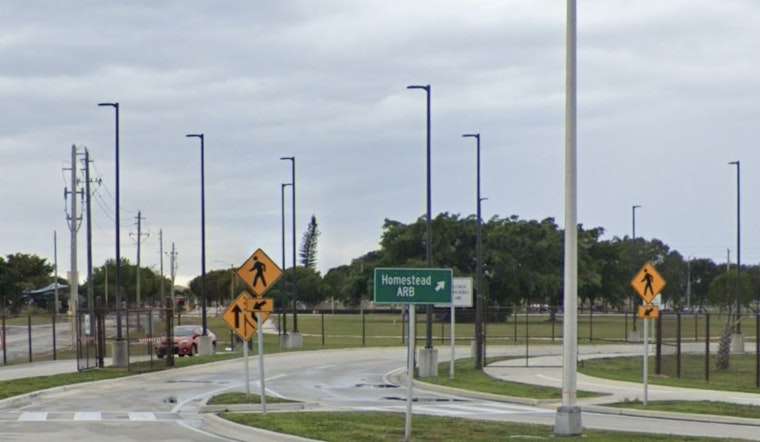
Bus graveyards have taken shape at several county lots. A long line of buses is visible at Homestead Air Reserve Base, with additional vehicles parked at the Coral Way maintenance yard and Miami-Dade’s northeast facility. Reporting by WLRN/Miami Herald found that Miami-Dade and Broward together spent roughly $126 million to buy 117 battery buses and install charging infrastructure, yet only a handful of those buses were in daily service as problems piled up.
What went wrong
County officials and independent reviewers point to a mix of repeated mechanical failures, proprietary control systems that are difficult to service and a growing parts backlog after the manufacturer ran into trouble. Miami-Dade’s Inspector General details purchase orders, per-bus invoices and a full timeline in a contract oversight report. Meanwhile, Phoenix Motor Inc. completed its acquisition of Proterra’s transit business in January 2024, a transfer that transit leaders say has left them uncertain about how parts, service and warranties will be handled.
County oversight and pressure
Miami-Dade commissioners responded by passing a resolution in January that directs the mayor to deliver a written performance and disposition plan for the electric fleet within 30 days. The board item requires details such as per-bus costs, projected miles between charges and the current status of spare parts. The Miami-Dade County docket spells out those requirements, and local coverage has shown commissioners pressing county staff for accountability and exploring whether the county can seek reimbursement if the buses cannot be reliably put into service. Local 10 reported that sponsors of the measure argued taxpayers deserve clear answers and results.
How bad were the failures
Court documents filed during Proterra’s bankruptcy show just how often the buses were breaking down. According to those records, Broward reported that its electric buses were failing roughly every 600 miles, far more frequently than the county’s diesel fleet. WLRN/Miami Herald reported on those failure rates and on the resulting backlog of repairs and missing parts that left many buses sidelined for months at a time.
National context
South Florida is hardly alone in this mess. Proterra sold more than 1,300 electric buses to transit agencies across the United States and Canada, so problems with the platform have forced agencies nationwide to weigh legal options, backup plans and how to keep service running. HeraldNet and other outlets have tracked how Proterra’s bankruptcy and subsequent asset sales left agencies wrestling with potential warranty gaps and concerns about long term parts and supplier stability.
What’s next for riders
Transit officials say core bus service is still operating, but losing dozens of zero emission vehicles has slowed South Florida’s electrification push and squeezed local budgets. County leaders have signaled they will pursue any available warranty remedies, seek required federal approvals for disposing of unusable vehicles and explore reimbursement where possible. The board’s filing requires a detailed mayoral analysis that commissioners say should spell out whether buses will be repaired, replaced or scrapped, along with realistic timelines for each option. The Miami-Dade County docket and reporting by WUSF/Miami Herald also show that agencies are already steering new orders to more established manufacturers in an effort to keep buses on the road while the electric fleet saga plays out.