

























































Oak Forest officials are not ready to let go of a key tax-increment financing district just yet. The village is asking local taxing bodies to keep the TIF in place longer to help bankroll a proposed four-building project along West 159th Street on a long-vacant site near the Metra line.
The plan from Deshe Real Estate calls for two multifamily apartment buildings and two small commercial pads on the former mobile-home property. Village leaders say the request would extend the TIF past its scheduled 2039 expiration and, if approved, keep it running through 2051.
According to the Chicago Tribune, Deshe told village planners it needs roughly $8 million in TIF-eligible costs to make the proposal pencil out and asked the village to consider pushing the district beyond 2039. The Tribune reports the developer floated a range of possible extension lengths while officials said an approved deal would take the TIF to 2051.
The concept includes two 60-unit apartment buildings with amenities such as a gym, coworking space, on-site parking and a limited number of garages, along with two 3,250-square-foot commercial buildings where drive-throughs could be part of the mix. The land has been empty since a mobile home park shut down more than 20 years ago, and village officials told reporters they obtained a "no further remediation" letter from the Illinois Environmental Protection Agency, per the Tribune.
Where the project would sit
The redevelopment site sits at the northwest corner of 159th Street and Le Claire Avenue, in the 5100 block of West 159th Street, inside the existing TIF district along the corridor. Village documents outline TIF coverage around West 159th between Laramie Avenue and the Metra rail line and highlight recent efforts to assemble parcels and market the stretch for fresh housing and retail.
Oak Forest development materials also point to a run of new projects the village has backed in recent years as proof that the 159th Street corridor can handle more mixed-use redevelopment, even if it needs some public help to get there.
Developer background and local context
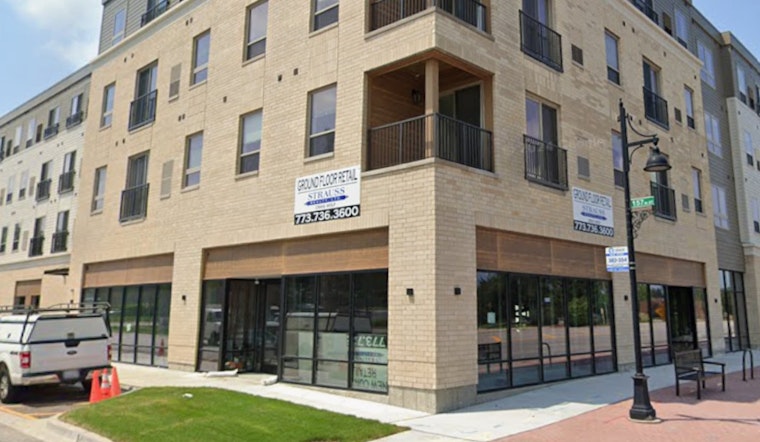
Deshe Real Estate and its affiliates are already familiar players in Oak Forest. The company worked on a nearby mixed-use project close to the Metra station, building on what local reporting and the village describe as the earlier One Fifty Seven development.
That prior effort brought apartments and townhomes to the area and, according to the village, helped lay the groundwork for more transit-oriented investment. Deshe and local leaders are using that history as part of their current pitch: with public assistance through the TIF, they argue, projects that private lenders might otherwise see as borderline can move forward.
How the money and the law work
Under Illinois law, cities can generally keep a TIF district in place for up to 23 years. State statutes spell out how tax-increment financing works and how growth in property tax revenue inside the district is captured to pay for redevelopment instead of flowing to schools and other taxing bodies.
As the Chicago Tribune reports, Oak Forest officials brought the extension request to Bremen High School District 228 at an April 14 committee meeting. The school district's stance is crucial because while a TIF is active, taxing bodies do not receive the incremental increase in property tax revenue from the area.
What happens next
The village and Deshe will need to hammer out an intergovernmental arrangement and secure support from the affected taxing districts before any TIF extension becomes official. Larger or longer extensions can also trigger the need for legislative action or special agreements, depending on how far beyond the standard timeline the district is pushed.
Oak Forest's development pages show the village has leaned on TIF-backed projects repeatedly in recent years. For this latest proposal, council debate and continued talks with the school district and other taxing bodies are expected to be the next steps before any public subsidies are locked in.





