

























































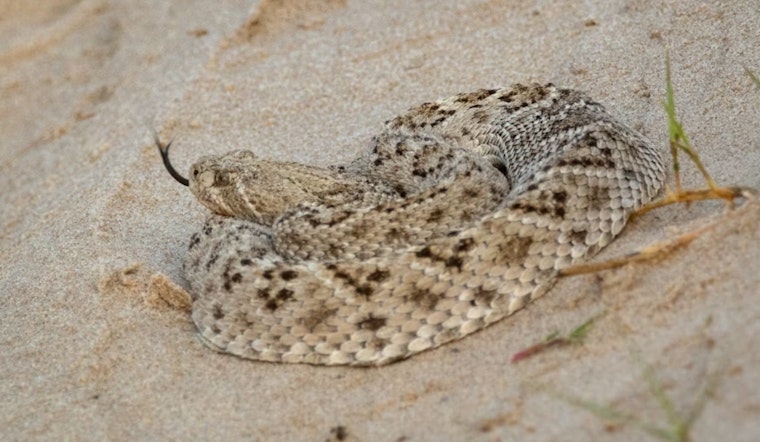
A 78-year-old Redwood Valley woman has died after a venomous snake bit her multiple times while she was walking on rural private property earlier this month, turning a routine outing into a fatal emergency. Her family rushed her to a hospital in Ukiah, where she was pronounced dead on April 10.
According to The Mendocino Voice, the woman was bitten three times on April 8 on private rural land in Redwood Valley and taken to a Ukiah hospital. She was pronounced deceased at about 9:30 AM on April 10. A county coroner’s post‑mortem last Wednesday found snake envenomation with associated blood‑clotting problems, and the chief deputy coroner ruled the death accidental.
Officials and experts weigh in
Quincy Cromer, a spokesperson for the Mendocino County Sheriff’s Office, confirmed the timeline to reporters as state toxicologists pointed to a troubling early‑season pattern.
Rais Vohra, medical director for the California Poison Control System’s Fresno‑Madera Division, told SFGATE the agency typically logs roughly 300–350 rattlesnake reports each year and had already handled dozens of cases in the first three months of 2026. It is an early surge that has doctors and wildlife officials reminding Californians that snake season does not ease in quietly.
Spring surge in rattlesnake encounters
Public health monitors have flagged an unusually busy start to rattlesnake season across the state. The California Poison Control System recorded 77 rattlesnake‑related calls in the first three months of 2026, compared with a typical annual total of about 200–300, according to the Los Angeles Times. Recent Southern California fatalities have only underscored the risk that comes when warm weather and outdoor plans collide with rattlers on the move.
How to reduce risk
Medical experts quoted in local coverage are clear that prevention is the first line of defense. Hikers and rural residents are urged to wear sturdy closed‑toe shoes and long pants, stay on marked trails, carry a phone and water, and never try to handle or move any snake, SFGATE reports.
If someone is bitten, experts say to limit movement, call 911, and seek emergency care immediately. Antivenom and supportive treatment are available at hospitals, and outcomes improve significantly with rapid treatment. Even in a year when snakes seem unusually active, they stress that fast medical care can make the difference between a close call and a tragedy.





