

























































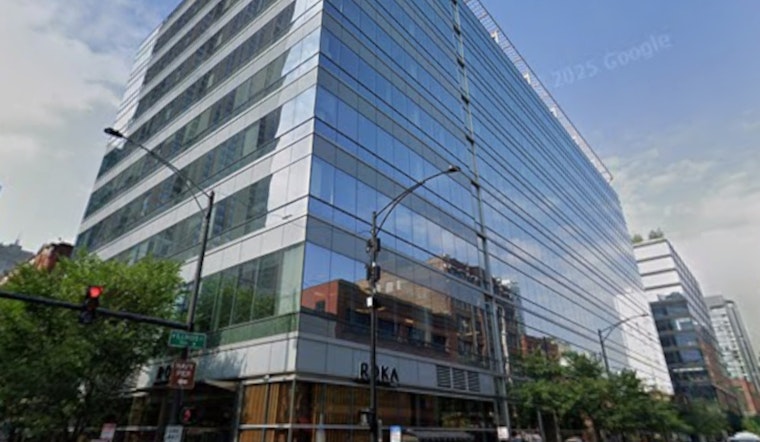
The glass high rise at 111 W. Illinois in River North is trading cubicles for couches. The former Salesforce offices on the upper floors are being remade into apartments branded as 111 Point, with first move ins slated for May 22 and full completion expected by July 1. Street level businesses will stay put while the empty office floors upstairs get a second life as downtown housing.
Chicago area firms Path Construction and WindWave Real Estate started work on the office to apartment conversion in August 2025 and say pre leasing is already underway, according to the Chicago Sun-Times. The paper reports the project, marketed as 111 Point, is scheduled to wrap July 1, and Cook County property records cited in the story show the joint venture paid nearly $17 million for the upper floors. The developers describe the effort as a privately funded reuse of the former Salesforce space, not a city subsidized makeover.
Amenities And Layouts Built For Downtown Life
Inside, 111 Point will offer a mix of studios, one bedrooms and two bedrooms, many of them framed by oversized windows and ceilings of about 10 feet, a combo meant to make even compact studios feel less cramped. Planned building perks include a 10th floor Peloton equipped cardio and weight studio, an all season wellness terrace with a sauna and hot tub, and a coworking lounge with private rooms plus a podcasting studio, as listed on Apartments.com. Zillow’s leasing listings note in unit washers and dryers in many homes and show rents starting in the low $2,300s.
Why Conversions Are Catching On Here
Across the country, office to residential projects have gone from niche play to hot pipeline. Industry coverage of RentCafe data points to a record jump in planned conversion units as developers chase housing demand and try to wring value out of underused offices. Construction Dive summarized RentCafe’s figures, which show a sizable increase in these projects in 2026.
Closer to home, high downtown vacancies and softer leasing have been nudging owners toward housing solutions. Research reported by the Sun Times finds a pullback in direct office leasing and a central business district vacancy rate near the mid 20s percent range, a market backdrop that helps explain why projects like 111 Point are moving ahead.
Neighbors, Retail And What’s Next
On the lower floors, the conversion leaves existing neighbors in place. Ground floor restaurants, including Roka Akor and Tarry Coffee, stay open, and the Erikson Institute remains on the lower levels. Local reporting says the redevelopment is privately financed and does not tap city subsidy programs. FOX 32 Chicago reports the project will deliver about 153 units and that developers peg the total redevelopment cost at around $64 million. The partners say initial leases are already signed and argue that adding residents should bring steadier foot traffic to nearby storefronts.
For River North, 111 Point doubles as a practical fix and a small statement of intent. It turns underused office floors into paying residents while keeping long time restaurants and an educational tenant downstairs. If early leasing momentum holds, this privately funded conversion could become a playbook for more rehabs that quietly reshape how downtown Chicago lives and works.





