

























































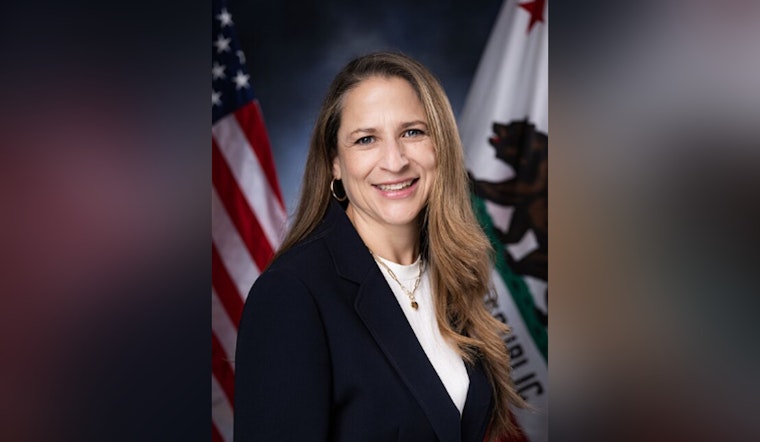
California Assembly Democrats are moving to draw a bright line around polling places, advancing AB 2230, a proposal that would keep armed or uniformed personnel at least 100 feet away from vote centers and licensed childcare sites. The bill would turn unauthorized stationing of such officers at polls into a felony and would forbid election officials from inviting immigration enforcement to set up at voting locations.
What AB 2230 would do
AB 2230, authored by Assemblymember Ávila Farías, builds on existing election-code rules by extending protections to anyone wearing clothing or insignia that reasonably suggests a law-enforcement affiliation. It also spells out that the "immediate vicinity" of a polling place includes a 100-foot radius from building entrances, parking areas, and any vehicle entrances or exits. Under the proposal, unauthorized posting within that zone could be charged as a felony, with penalties of a fine up to $10,000 and a prison term of two, three, or five years. The measure also prohibits elections officials from authorizing immigration or federal law-enforcement personnel to be stationed at vote centers, according to the bill text on the California Legislative Information website.
Supporters say the measure is needed
Backers say AB 2230 is a direct response to last year’s large-scale immigration enforcement operations and to concerns that armed federal officers near polling sites could scare off eligible voters. "No parent should fear losing their child to enforcement actions and no voter should be intimidated from participating in our democracy," Assemblymember Ávila Farías said. Palo Alto Democrat Marc Berman argued that the administration could try to use enforcement activity to suppress turnout, saying, "This president will do whatever he possibly can to hold onto power." Those remarks were reported by KPBS.
Federal law and the nationwide context
Legal advocates point out that federal law already generally restricts armed federal forces from hovering around elections, but supporters of AB 2230 argue that a clear state statute with its own penalties is necessary to head off intimidation at local vote centers. The Brennan Center for Justice has detailed why sending ICE or other armed federal officers to polling places would likely run afoul of federal rules, and news outlets have noted that several Democratic-led states are moving to write similar protections into their own laws. For an overview of those efforts in other states, see reporting by AP News.
Opposition and practical questions
Republican lawmakers on the Assembly Elections Committee countered that the bill may step on federal authority over federal agents and questioned how it would actually work on the ground. Assemblymember James Gallagher argued that the measure skirts the question of noncitizen voting and enforcement, saying, "I would hope we would agree that someone who is here illegally shouldn't be going to a voting center and voting anyway." He also pressed state officials on how 100-foot "red zones" would be marked and policed at different sites. The GOP objections and the committee's 6-2 party-line vote were reported by CapRadio.
Next steps and timeline
After clearing the Assembly Elections Committee, AB 2230 now heads to the Assembly Public Safety Committee for its next hearing before it can be sent to the full Assembly. Lawmakers have not yet set a hearing date, and the timing will depend on committee schedules and any amendments that surface along the way. KPBS reported on the committee vote and the bill's next stop.
Legal implications
If it becomes law, AB 2230 would add new state-level felony offenses and penalties tied to unauthorized immigration or federal law-enforcement activity near polling places and licensed child daycare facilities, with immigration-enforcement agencies called out in the bill's definitions. That combination of explicit references to federal actors and new criminal penalties could invite legal challenges and raise preemption questions under the Constitution's supremacy clause. Readers can review the bill text on the California Legislative Information site and the Brennan Center's legal analysis for more context.





